
Has your car been declared a total loss, and now you’re staring at an insurance payout that feels way too low? You’re not alone, and more importantly—you don’t have to accept that offer without a fight.
When your vehicle is totaled, the insurance company’s valuation might not reflect the true worth of your car. But how do you challenge their number and get what you really deserve? This guide will walk you through the smart, practical steps to dispute a total loss car value.
By the end, you’ll know exactly how to stand your ground and boost your payout. Don’t settle for less—your car’s value is worth fighting for. Keep reading to learn how.
How Total Loss Value Is Calculated
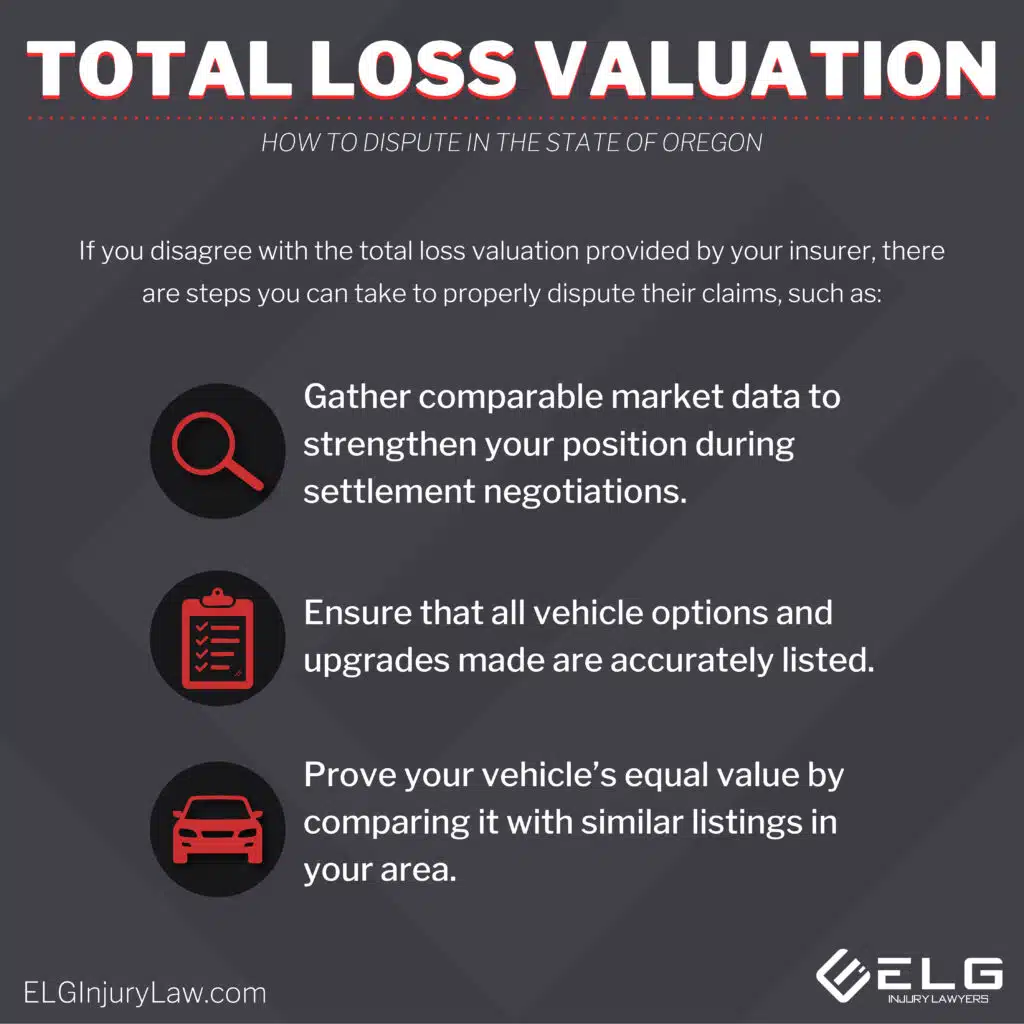
Insurance companies often use tactics to lower total loss payouts. They may select comparable cars with less value or higher mileage to reduce their offer. Sometimes, they ignore recent repairs or upgrades that add worth to the vehicle.
Vehicle values differ by location. Prices in big cities may be higher than in rural areas. Comparing cars from different markets can cause confusion and lower offers. Understanding this helps when disputing a lowball offer.
The condition of the car plays a major role. Dents, scratches, or worn tires can decrease value. But claims adjusters might undervalue good parts or overlook aftermarket additions. Documenting the car’s true condition is key to a fair payout.

Common Reasons For Lowball Offers
Requesting detailed adjuster reports helps reveal how they value your car. Ask for a full breakdown of the vehicle’s condition, mileage, and comparable sales used. This information can highlight errors or low estimates in their calculation. Keep notes on every conversation for reference.
Escalating to supervisors can bring more experienced people into the discussion. If an adjuster won’t budge, politely ask to speak with their manager. Supervisors often have more authority to increase offers or review your evidence more carefully. Stay calm and clear when explaining your concerns.
Leveraging policy appraisal clauses means using your insurance contract’s rules to get a fair value. Many policies allow both sides to hire independent appraisers. These experts compare values and decide on a fair price. Using this process can force the insurer to offer a better payout without court.
Frequently Asked Questions
Can You Argue A Total Loss Value?
Yes, you can argue a total loss value by submitting a counteroffer or hiring a private appraiser. Negotiate with your insurer using comparable vehicle data to increase your payout.
What Is The $3000 Rule For Cars?
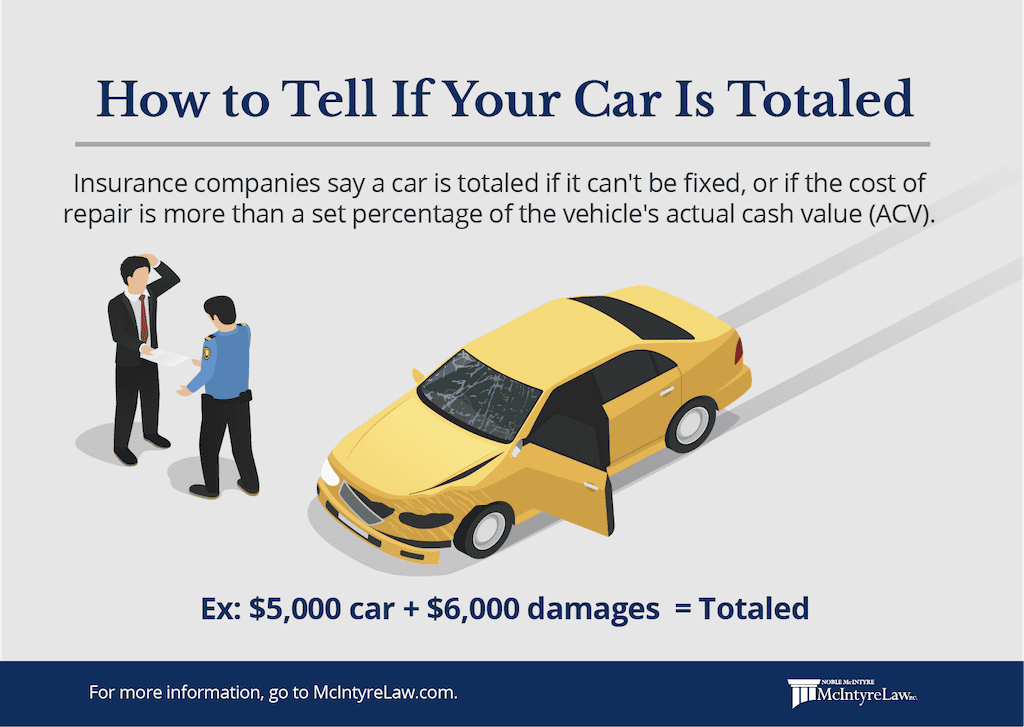
The $3000 rule for cars means insurance may total a vehicle if repair costs exceed $3,000 or a set percentage of its value. This helps determine if fixing the car is cost-effective or if it should be declared a total loss.
What Is The 30 60 90 Rule For Cars?
The 30 60 90 rule for cars guides maintenance at 30,000, 60,000, and 90,000 miles. It ensures timely service for engine, brakes, and fluids. Following this rule helps extend vehicle life and maintain performance. Regular checks prevent costly repairs and improve safety on the road.
When A Car Is Totaled, How Is The Value Determined?
Insurance determines a totaled car’s value using its actual cash value based on condition, mileage, and market prices.
Conclusion
Disputing a total loss car value can feel tough but is often possible. Gather evidence like comparable car prices to support your case. Speak clearly and calmly with your insurance adjuster. Consider hiring an independent appraiser if needed, but know it costs money.
Stay patient and persistent throughout the process. Protect your rights and seek a fair settlement. Taking these steps can help you get closer to the car value you deserve. Don’t accept the first offer without question. Your effort can make a difference.
Read More
- Insurance Claim Repair Process: Simplify and Speed Up Your Recovery
- Full Coverage Car Insurance Premiums: Save Big with Expert Tips
- Diminished Value Claim Calculator: Maximize Your Car’s Worth Today
- Electric Truck Ownership Costs: Hidden Savings You Can’t Ignore
- Hybrid Sedan Reliability Ratings: Top Picks for Lasting Performance
- Teen Driver Safety Technology: Essential Tools for Protecting Teens
- Plug in Hybrid Review Guide: Ultimate Insights for Smart Buyers
- Auto Insurance Deductible Savings: Maximize Your Money Today
- Usage Based Auto Insurance Rates: Save Big with Smart Driving Choices
- Blind Spot Monitoring Benefits: Enhance Safety and Drive Confidently