
When it comes to your auto insurance, finding ways to save money is always a top priority. One key factor that can make a big difference in your premiums is your insurance deductible.
But how exactly does adjusting your deductible impact your savings? And is paying more upfront really worth it in the long run? If you’ve ever wondered how to balance your deductible to get the best value, you’re in the right place.
This article will break down everything you need to know about auto insurance deductible savings, helping you make smarter choices that protect both your car and your wallet. Keep reading to discover simple strategies that could lower your costs without compromising your coverage.
How Deductibles Affect Premiums
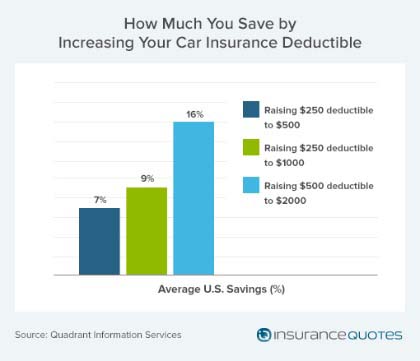
Deductibles and premiums have an inverse relationship in auto insurance. Choosing a higher deductible means you pay more out of pocket if you file a claim. This choice often leads to lower monthly premiums. It is a way to balance your upfront costs with your monthly payments.
On the other hand, a lower deductible reduces how much you pay after an accident. But this usually means higher monthly premiums. Many drivers pick a deductible based on how much risk they want to take. This decision depends on their ability to pay if an accident happens.
Finding the right balance helps manage your overall costs. It also affects how much you pay each month versus during a claim.
Benefits Of Raising Your Deductible
Choosing a higher deductible can help reduce your auto insurance premiums. This means you pay less each month. But it also means you pay more if you file a claim.
Higher deductibles make sense for people who:
- Drive less often or have fewer accidents.
- Can afford to pay more out of pocket if needed.
- Want to save money on insurance over time.
Raising your deductible is a good option when you want to lower regular costs. It works best if you don’t expect to make many claims. It is important to choose a deductible that fits your budget.
Risks Of High Deductibles
Choosing the lowest deductible is not always the best choice. A low deductible means higher monthly premiums. This can cost more money over time. On the other hand, a higher deductible lowers your monthly cost. It means you pay more if you make a claim. But this risk can be worth the savings on premiums.
Many people think high deductibles are too risky. But this depends on your ability to pay the deductible if needed. If you have savings, a higher deductible may save you money. It also can stop you from making small claims. This helps keep your insurance rates lower in the long run.

Frequently Asked Questions
Does Raising Your Car Insurance Deductible Save You Money?
Raising your car insurance deductible lowers your monthly premium, saving money upfront. You pay more out-of-pocket after a claim. Choose a deductible balance that fits your budget and risk comfort.
Is It Better To Have A $500 Deductible Or $1000?
Choosing a $500 deductible means higher premiums but lower out-of-pocket costs after a claim. A $1000 deductible lowers premiums but increases your expense if you claim. Select based on your budget and risk tolerance for the best balance between monthly cost and potential claim expenses.
Is A $2 000 Deductible Good For Car Insurance?
A $2,000 deductible lowers your premium but increases out-of-pocket costs after a claim. Choose based on your budget and risk tolerance.
What Does Dave Ramsey Say About Car Insurance Deductible?
Dave Ramsey advises choosing a higher car insurance deductible to lower monthly premiums. He stresses balancing deductible size with your emergency savings.
Conclusion
Choosing the right auto insurance deductible can save you money each month. Higher deductibles usually lower your premium costs. But consider if you can afford to pay more after an accident. Balance your monthly savings with potential out-of-pocket expenses. Understanding your deductible helps you make smarter insurance choices.
Review your options regularly to keep your coverage affordable. Small changes can add up to big savings over time. Stay informed and protect your wallet wisely.
Read More
- Insurance Claim Repair Process: Simplify and Speed Up Your Recovery
- Full Coverage Car Insurance Premiums: Save Big with Expert Tips
- Diminished Value Claim Calculator: Maximize Your Car’s Worth Today
- Electric Truck Ownership Costs: Hidden Savings You Can’t Ignore
- Hybrid Sedan Reliability Ratings: Top Picks for Lasting Performance
- Teen Driver Safety Technology: Essential Tools for Protecting Teens
- Plug in Hybrid Review Guide: Ultimate Insights for Smart Buyers
- Usage Based Auto Insurance Rates: Save Big with Smart Driving Choices
- Blind Spot Monitoring Benefits: Enhance Safety and Drive Confidently
- Accident Forgiveness Insurance Coverage: Protect Your Premiums Today