
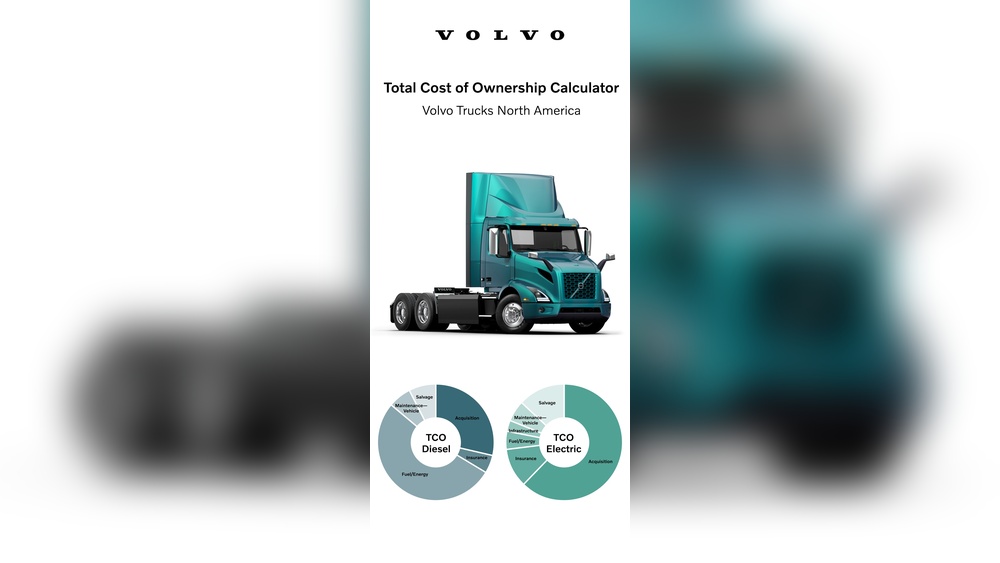
Thinking about switching to an electric truck but worried about what it will cost you in the long run? You’re not alone.
Understanding the true ownership costs of electric trucks is key to making a smart decision for your wallet and your lifestyle. From upfront prices to maintenance, charging, and resale value, there’s a lot to consider. This article will break down what you really need to know about electric truck ownership costs—helping you see where you can save money and where expenses might surprise you.
Keep reading, and you’ll gain the confidence to decide if an electric truck is the right move for you.
Purchase Price Breakdown
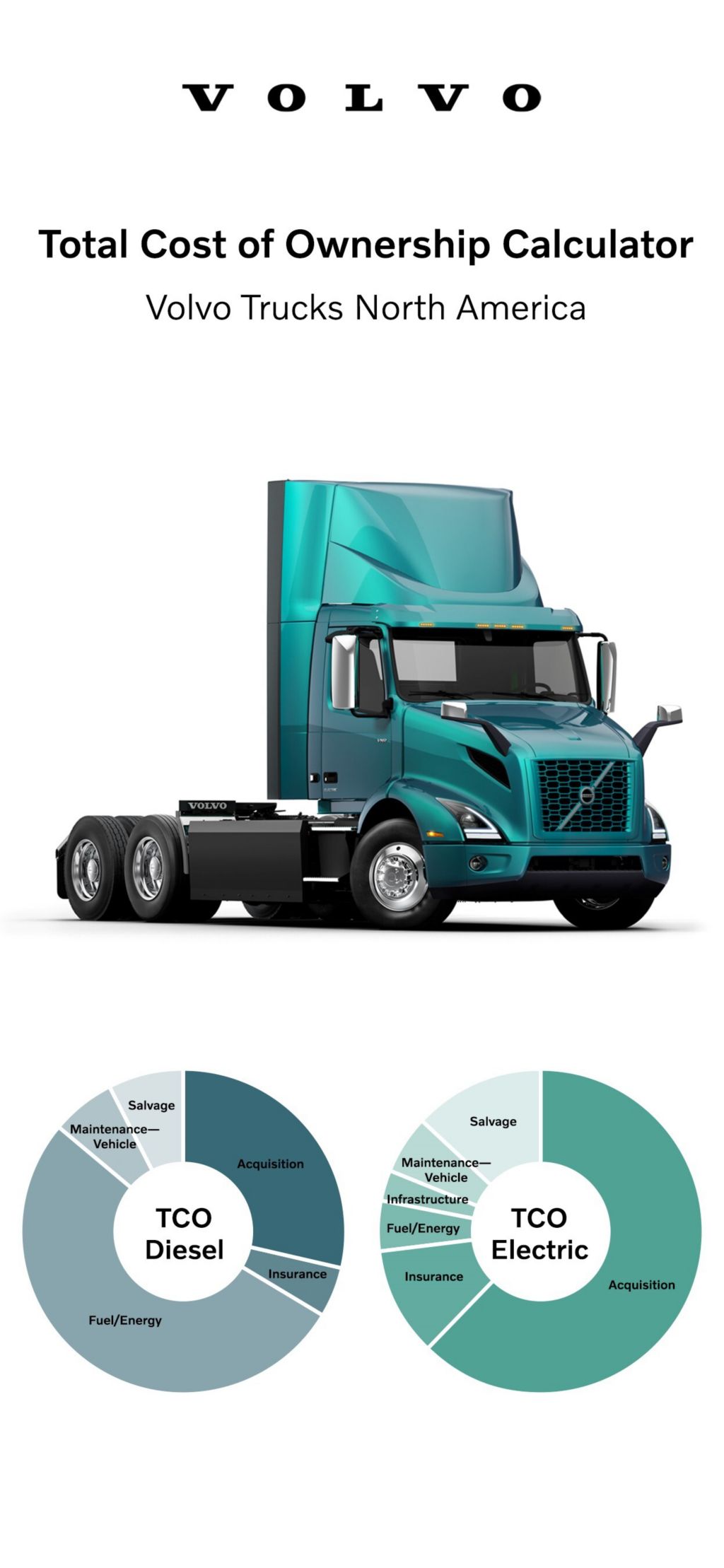
The initial purchase price of electric trucks is often higher than diesel trucks. This is due to expensive batteries and new technology. Prices vary by make, model, and battery size.
Many governments offer incentives and rebates to lower upfront costs. These include tax credits, grants, and discounts. Some states and cities provide extra benefits too.
Financing options can help spread out the cost. Loan terms, interest rates, and leasing deals differ by lender. Some programs focus on electric vehicle buyers with better rates or longer repayment periods.
| Cost Component | Electric Truck | Diesel Truck |
|---|---|---|
| Base Price | Higher | Lower |
| Incentives | Available | Rare |
| Financing | Special Options | Standard |

Fuel And Energy Expenses
Charging costs are usually lower than fuel expenses for electric trucks. Home charging requires a setup with a charger and electrical work. The initial cost can be a few hundred to over a thousand dollars. Charging at home is cheaper per mile than fuel, especially if you charge overnight at off-peak rates.
Public charging stations often charge by the minute or kWh. Fast chargers cost more but fill the battery quicker. Prices vary by location and provider. Public fees can be higher than home charging but still usually less than diesel or gasoline.
| Type | Cost Range | Notes |
|---|---|---|
| Home Charging Setup | $300 – $1,500 | One-time cost for charger and installation |
| Home Charging per kWh | $0.10 – $0.20 | Lower cost, varies by electricity rates |
| Public Charging per kWh | $0.20 – $0.60 | Higher cost, fast charging costs more |
| Fuel Cost per Gallon (Diesel/Gas) | $3.00 – $4.00 | Higher cost, depends on fuel prices |
Maintenance And Repairs
Routine service for electric trucks costs less than for gas trucks. They need fewer oil changes and less brake work. This saves money over time.
Battery maintenance is key. Batteries last many years but need checks for health and performance. Proper care extends battery life and avoids costly replacements.
Electric trucks generally have fewer repairs. They have simpler engines with fewer moving parts. Repair costs are often lower, and breakdowns happen less often.
Depreciation And Resale Value
Electric trucks tend to depreciate differently than gas trucks. Their batteries lose value over time, affecting resale prices. Early models showed higher depreciation due to new technology risks. But newer models keep value better as battery tech improves.
Demand for used electric trucks is growing in many markets. Buyers want vehicles with lower fuel costs and less maintenance. This demand helps maintain better resale values.
Trade-in offers can be lower for electric trucks. Dealers often account for battery health and warranty status. Knowing battery condition can help negotiate better trade-in prices.
| Factor | Impact on Value |
|---|---|
| Battery Health | Major factor in resale price |
| Model Age | Newer models hold value better |
| Market Demand | Higher demand raises resale price |
| Trade-in Offers | Often lower due to battery concerns |
Insurance And Registration Fees
Insurance premiums for electric trucks often cost less than for gas trucks. This is because electric trucks have fewer parts that can break. Some insurance companies offer discounts for electric vehicles due to their safety features and lower repair costs. Premiums vary by state, so it pays to compare prices.
State registration fees can differ widely. Some states give lower fees or exemptions to electric trucks to encourage clean energy use. Other states charge extra fees to make up for lost gas tax revenue. Always check local rules before buying.
| State | Electric Truck Registration Fee | Gas Truck Registration Fee |
|---|---|---|
| California | $100 | $150 |
| Texas | $90 | $90 |
| New York | $120 | $120 |
Tax incentives can reduce the cost of owning electric trucks. Federal and state credits lower the purchase price or provide income tax breaks. Some states also offer tax exemptions on vehicle property tax for electric trucks. These benefits help make electric trucks more affordable.
Battery Life And Replacement
Battery longevity for electric trucks typically ranges from 8 to 15 years, depending on use and care. Most batteries keep good capacity for about 100,000 to 150,000 miles. After this, capacity slowly drops, causing shorter driving range.
Replacement costs can be high, often between $10,000 and $20,000 for a full battery pack. Prices vary by battery size and truck model. Some warranties cover battery replacement for 8 years or 100,000 miles.
Battery recycling and disposal is important to reduce waste and recover materials. Many manufacturers offer recycling programs to safely handle old batteries. Proper recycling helps protect the environment and lowers costs for new batteries.
Hidden Savings Opportunities
Reduced downtime means trucks spend more time on the road. Electric trucks need less maintenance. They have fewer moving parts than gas trucks. This cuts repair time and costs. Fleets save money by avoiding long waits for parts. Quick charging stations also help trucks get back faster.
Lower emissions incentives offer financial benefits. Many states and cities give tax credits or rebates. These reduce upfront costs and improve return on investment. Companies meet environmental rules and get rewards. Cleaner air also helps communities and workers.
Fleet management advantages include easier tracking and scheduling. Electric trucks often come with smart software. This helps managers plan routes to save energy and time. Monitoring battery health prevents unexpected breakdowns. Overall, fleets run smoother and more efficiently, saving money and stress.
Frequently Asked Questions
What Is The True Cost Of Owning An Electric Vehicle?
Owning an electric vehicle costs less overall due to lower fuel, maintenance, and repair expenses. Battery replacement may add to costs but often lasts years. Tax incentives and reduced emissions also offer financial and environmental benefits. Total ownership costs generally beat gas-powered vehicles.
What Happens To An Ev After 8 Years?
After 8 years, an EV’s battery capacity may reduce, lowering range. Routine maintenance costs stay lower than gas vehicles. Many EVs remain reliable and efficient beyond this period.
What Is The Lifespan Of An Ev Truck Battery?
An EV truck battery typically lasts 8 to 15 years or 100,000 to 200,000 miles, depending on usage and care. Proper maintenance extends battery life and performance.
Is It Worth Buying An Electric Car In 2026?
Buying an electric car in 2026 is worth it due to lower fuel and maintenance costs. Battery life and incentives improve value.
Conclusion
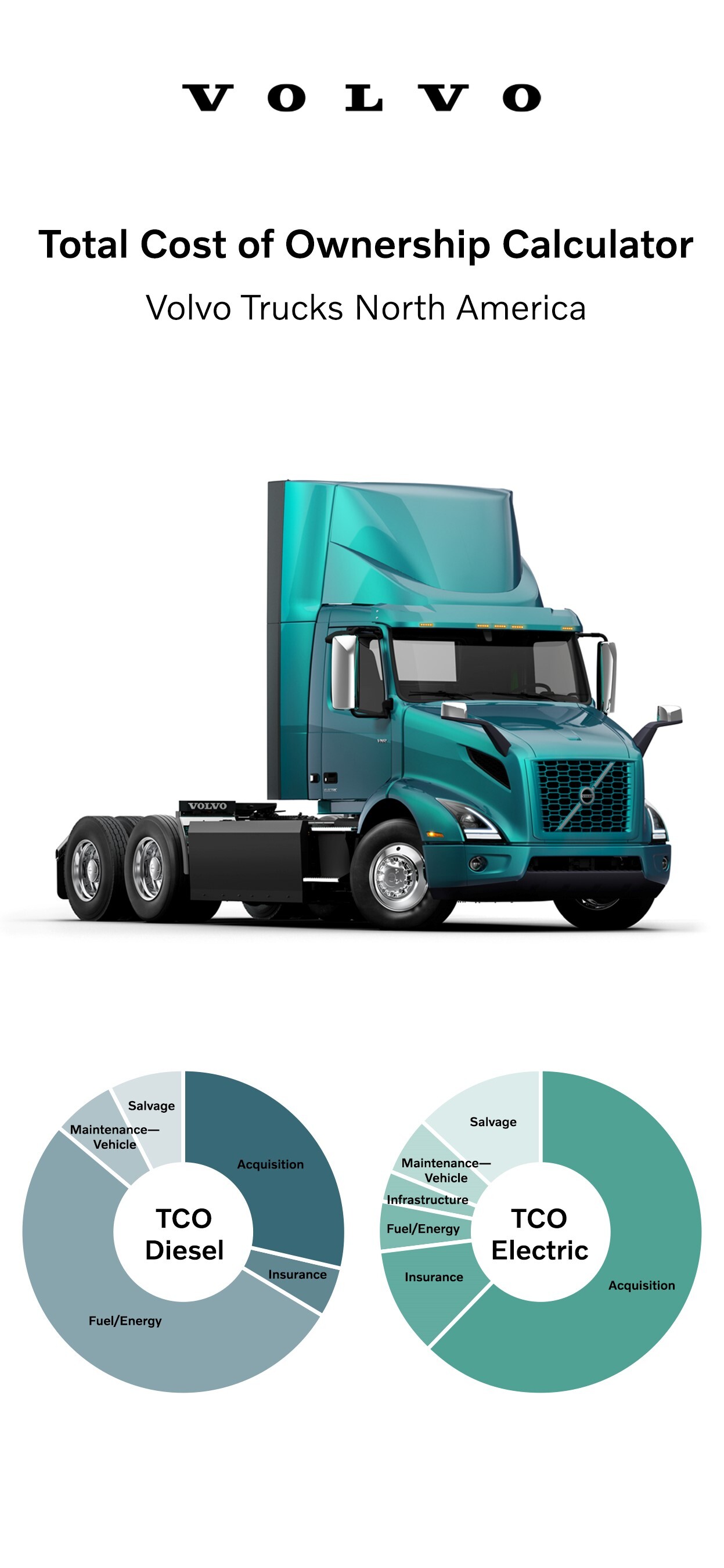
Electric truck ownership offers clear savings over time. Lower fuel and maintenance costs ease the financial burden. Battery life and charging infrastructure remain key factors to watch. Initial purchase price can be higher but often balances out. Consider your driving needs and usage patterns carefully.
Owning an electric truck can be practical and cost-effective. It’s wise to research and plan before making a choice. Overall, electric trucks present a promising option for many drivers today.
Read More
- Insurance Claim Repair Process: Simplify and Speed Up Your Recovery
- Full Coverage Car Insurance Premiums: Save Big with Expert Tips
- Diminished Value Claim Calculator: Maximize Your Car’s Worth Today
- Hybrid Sedan Reliability Ratings: Top Picks for Lasting Performance
- Teen Driver Safety Technology: Essential Tools for Protecting Teens
- Plug in Hybrid Review Guide: Ultimate Insights for Smart Buyers
- Auto Insurance Deductible Savings: Maximize Your Money Today
- Usage Based Auto Insurance Rates: Save Big with Smart Driving Choices
- Blind Spot Monitoring Benefits: Enhance Safety and Drive Confidently
- Accident Forgiveness Insurance Coverage: Protect Your Premiums Today