
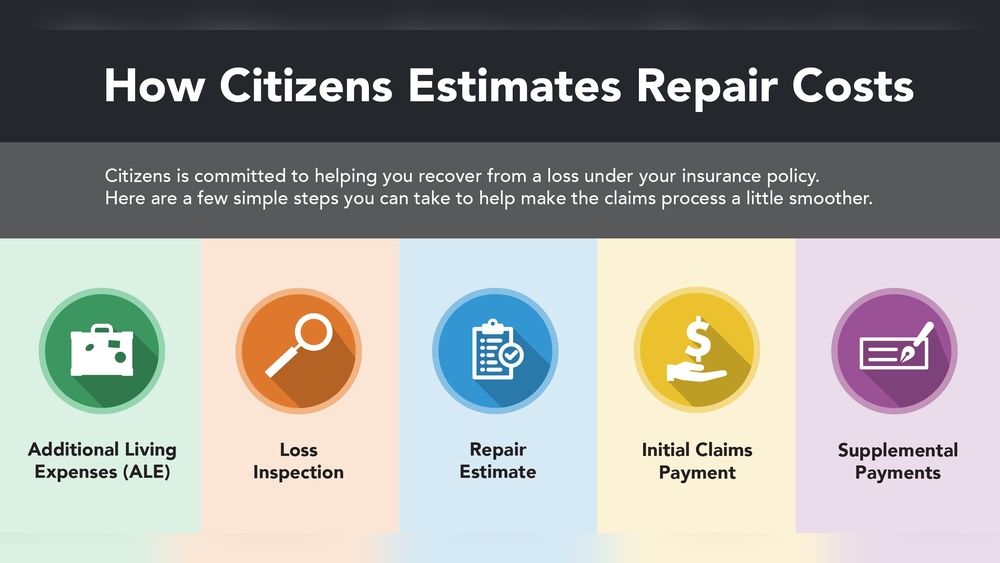
When damage happens to your car or home, dealing with repairs can feel overwhelming. You want things fixed quickly, but the insurance claim repair process might seem like a maze of paperwork, calls, and waiting.
What if you knew exactly what steps to take to get your claim approved and your repairs done without unnecessary stress? This guide will walk you through the insurance claim repair process, helping you avoid common pitfalls and save time.
By understanding how the process works, you’ll feel more in control and confident about getting your property restored smoothly. Keep reading to discover simple, effective tips that put you in the driver’s seat of your insurance claim repair journey.
Filing Your Claim
The insurance adjuster plays a key role in the claim repair process. They inspect the damage to your property or vehicle. Their job is to estimate repair costs and decide how much the insurance will pay.
Scheduling the inspection promptly helps speed up the claim. The adjuster sets a date to visit and examine the damage. This visit is important for a fair evaluation.
Documenting damage is very important. Take clear photos and write down all details. This proof helps support your claim. The adjuster also takes notes and pictures to compare with yours.

Damage Assessment
Reviewing repair estimates means checking the cost and details of fixes. Insurance adjusters compare these to their standards. This helps decide if the amount is fair and matches your policy. Sometimes, estimates need changes to fit coverage rules.
Understanding coverage limits is key to know what costs the insurance will pay. Each policy has a maximum payout for repairs. Knowing these limits helps avoid surprises and plan for extra expenses if needed.
Negotiating disputes happens if repair costs or coverage differ from what you expect. Talk with the insurance company calmly and clearly. Provide proof like photos or bills. This can help reach an agreement faster and avoid delays.
Claim Approval
Timeline expectations vary depending on the type of repair and insurance provider. Typically, the process takes 1 to 3 weeks, but it can be longer if parts are hard to find.
Parts availability and delays can slow down repairs. Some parts may need to be ordered from suppliers, causing waiting times. Dealers and repair shops often update you on these delays.
Quality checks and inspections happen after repairs to ensure the work meets safety and insurance standards. Inspectors verify that all damages are fixed properly before approving payment.

Choosing A Repair Shop
Claim denials can be frustrating but understanding the reason helps. Check your policy carefully to see if the issue is covered. Sometimes, missing documents or errors cause denials. Fix these and submit a formal appeal.
Appealing decisions means writing a clear letter explaining why the claim should be approved. Include all supporting evidence like photos, receipts, and reports. Keep copies of everything you send. Be patient; appeals take time to process.
Professional help may be needed if appeals fail. Insurance adjusters, public adjusters, or lawyers can guide you. They know the rules and can negotiate better. Hiring an expert might cost money but can increase your chances of success.
Frequently Asked Questions
What Not To Say To The Insurance Adjuster?
Avoid admitting fault, exaggerating damages, or discussing unrelated injuries with the insurance adjuster. Stay factual and concise.
Is Appendicitis Covered Under Accident Insurance?
Accident insurance typically does not cover appendicitis since it is a medical condition, not an injury from an accident.
How Long Do You Have To Make Repairs After An Insurance Claim?
You typically have 90 days to start repairs after an insurance claim approval. Repair time varies by damage severity and parts availability. Always check your policy for specific deadlines. Completing repairs promptly helps avoid claim complications and ensures timely reimbursement.
Which Insurance Company Denies The Most Claims?
State Farm and Allstate often report higher claim denial rates, mainly due to documentation issues or policy exclusions. Denial rates vary by claim type and region. Always review your policy carefully to understand coverage and requirements.
Conclusion
Navigating the insurance claim repair process can feel overwhelming. Stay organized and keep clear records of all documents. Communicate promptly with your insurance company and repair shop. Understand each step to avoid delays and confusion. Knowing what to expect helps you manage the process smoothly.
Patience and attention make the repair experience less stressful. Your goal is a fair settlement and quality repairs. Follow these tips to handle claims with confidence.
Read More
- Full Coverage Car Insurance Premiums: Save Big with Expert Tips
- Diminished Value Claim Calculator: Maximize Your Car’s Worth Today
- Electric Truck Ownership Costs: Hidden Savings You Can’t Ignore
- Hybrid Sedan Reliability Ratings: Top Picks for Lasting Performance
- Teen Driver Safety Technology: Essential Tools for Protecting Teens
- Plug in Hybrid Review Guide: Ultimate Insights for Smart Buyers
- Auto Insurance Deductible Savings: Maximize Your Money Today
- Usage Based Auto Insurance Rates: Save Big with Smart Driving Choices
- Blind Spot Monitoring Benefits: Enhance Safety and Drive Confidently
- Accident Forgiveness Insurance Coverage: Protect Your Premiums Today