
Are you paying more than you should for auto insurance? Imagine if your insurance rates reflected how safely and how much you actually drive, instead of just broad estimates.
Usage based auto insurance rates do exactly that—they tailor your premium based on your real driving habits. This means safer drivers like you could see significant savings, while those who drive less may pay less overall. Curious how this works and whether it’s the right option for you?
Keep reading to discover how usage-based insurance can change the way you pay for coverage and potentially lower your costs.
How Usage-based Insurance Works
Usage-based insurance (UBI) collects data on how you drive. This helps insurers set rates based on your actual driving habits.
Data collection methods include devices plugged into your car, smartphone apps, or built-in car sensors. These tools track speed, distance, and braking behavior.
| Type of UBI Program | Description |
|---|---|
| Pay-As-You-Drive | Rates depend on miles driven. Drive less, pay less. |
| Pay-How-You-Drive | Rates based on driving style like speed and braking. |
| Behavior-Based | Focuses on safe driving habits to lower premiums. |
Factors affecting rates include mileage, speed, time of driving, and braking patterns. Safer drivers often get lower insurance costs.
Benefits Of Usage-based Insurance
Immediate discounts help lower your insurance costs right away. By sharing your driving data, insurers can offer better rates from the start. Safe driving habits often lead to these discounts.
Long-term savings come from consistent safe driving. The more careful you are, the less you pay over time. Usage-based insurance rewards drivers who avoid accidents and traffic violations.
Rewarding safe driving encourages better habits on the road. Drivers get recognized for their good choices. This helps keep roads safer and insurance prices fairer.
Top Usage-based Insurance Providers
Allstate Drivewise tracks your driving habits using a mobile app or device. It offers a safety feature that detects crashes. Drivers can earn discounts by driving safely and avoiding harsh braking or speeding.
Geico DriveEasy gives an automatic signup discount. It monitors your driving without extra gadgets. Safe drivers can save more on their premiums over time.
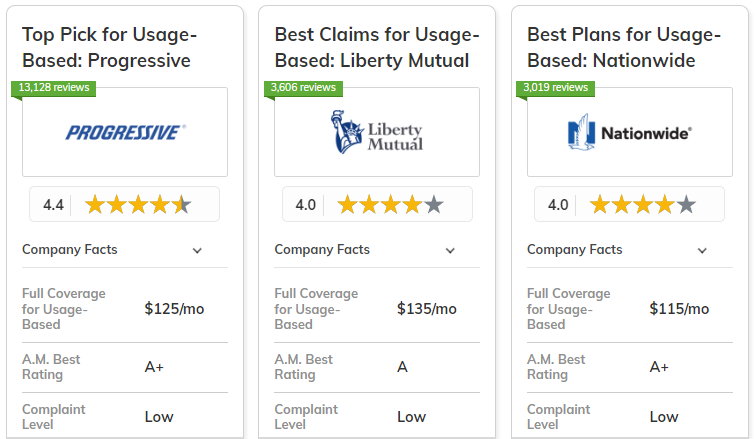
Nationwide SmartRide uses telematics to track your driving style. It does not raise rates for bad driving initially. This program rewards careful driving with discounts after review.
Progressive Snapshot is available in most states. It collects data about your mileage and driving behavior. Drivers who show safe habits can qualify for lower rates.
State Farm Drive Safe & Save bases discounts on annual mileage and driving quality. The safer and less you drive, the bigger the discount. It encourages careful, responsible driving to reduce risks.
Smart Driving Habits To Save More
Maintaining low mileage helps reduce your insurance costs. Driving fewer miles means less chance of accidents. Try to combine errands into one trip to save miles.
Avoiding hard braking and acceleration shows safe driving habits. Smooth starts and stops can lower your insurance rate. Sudden stops or fast starts increase your risk.
Safe driving times and locations also affect your insurance. Driving during daylight and in low-traffic areas reduces risk. Avoid rush hours and dangerous roads to keep rates low.
Privacy And Data Security Concerns
Insurers collect various data types to assess risk accurately. This includes mileage, driving speed, braking habits, and time of day. Location data may also be gathered to track travel routes and patterns. Some insurers use devices installed in the car or smartphone apps to capture this information.
Collected data helps companies calculate personalized insurance rates. Safe driving habits often lead to discounts. Insurers also use data to detect fraud and improve customer service. Risk assessment becomes more precise with real-time driving behavior insights.
Protecting your data is a top priority. Companies use encryption and secure servers to store information. Customers usually have control over what data is shared. Reading the insurer’s privacy policy clarifies data use and protection measures. Consumers should always review these policies carefully.
Is Usage-based Insurance Right For You?
Usage-based insurance (UBI) charges rates based on how much and how safely you drive. Traditional insurance sets prices by general factors like age and car type.
| Feature | Traditional Insurance | Usage-Based Insurance |
|---|---|---|
| Rate Calculation | Based on age, car model, and history | Based on actual driving data and habits |
| Discounts | Limited, often based on history | Discounts for safe, low-mileage driving |
| Data Collection | Minimal, mostly paperwork | Uses telematics devices or apps |
Ideal candidates for UBI drive less and follow traffic rules. People who want to save money by proving they are safe drivers benefit most. Those who drive often or in risky ways may pay more.
Potential drawbacks include privacy concerns because insurers track driving habits. Some drivers may dislike sharing their location or speed data. Also, driving behavior changes could affect rates unexpectedly.
Frequently Asked Questions
Is Usage-based Insurance Cheaper?
Usage-based insurance can be cheaper if you drive safely and less often. It rewards good driving with lower premiums.
Who Offers Usage-based Auto Insurance?
Progressive, Allstate, Geico, Nationwide, and State Farm offer usage-based auto insurance programs. These track driving habits to set premiums.
What Is Usage-based Auto Insurance?
Usage-based auto insurance adjusts your premium based on real driving data like mileage, speed, and braking habits. It rewards safe driving with lower rates.
Does State Farm Offer Usage-based Insurance?
State Farm offers usage-based insurance through its Drive Safe & Save® program. It tracks driving habits to provide personalized discounts.
Conclusion
Usage-based auto insurance rates offer a fair way to pay for car insurance. Drivers who use their cars less or drive safely can save money. These plans reward good habits and help avoid paying for unnecessary coverage. Tracking driving habits provides insurers with real data, making rates more accurate.
Many companies now offer usage-based programs, making it easy to find one that fits your needs. Choosing this type of insurance could lead to lower premiums and better control over your costs. Consider usage-based insurance as a simple way to pay what you really deserve.
Read More
- Insurance Claim Repair Process: Simplify and Speed Up Your Recovery
- Full Coverage Car Insurance Premiums: Save Big with Expert Tips
- Diminished Value Claim Calculator: Maximize Your Car’s Worth Today
- Electric Truck Ownership Costs: Hidden Savings You Can’t Ignore
- Hybrid Sedan Reliability Ratings: Top Picks for Lasting Performance
- Teen Driver Safety Technology: Essential Tools for Protecting Teens
- Plug in Hybrid Review Guide: Ultimate Insights for Smart Buyers
- Auto Insurance Deductible Savings: Maximize Your Money Today
- Blind Spot Monitoring Benefits: Enhance Safety and Drive Confidently
- Accident Forgiveness Insurance Coverage: Protect Your Premiums Today