
When it comes to choosing your next vehicle, safety isn’t just an option—it’s a must. But how do you know which car will protect you and your loved ones the best?
That’s where crash test ratings come in. These ratings give you a clear picture of how well a vehicle can handle real-world crashes. You’ll discover how different crash test rating systems work, which car brands consistently score high, and how to compare them so you can make the smartest, safest choice.
Ready to find out which vehicles offer top-notch protection? Keep reading, because your safety depends on it.
Crash Test Rating Systems
The NHTSA Crash Test Ratings use a star system from 1 to 5. Five stars mean the safest cars. Tests include frontal, side, and rollover crashes. These ratings help buyers understand basic vehicle safety.
IIHS Safety Scores focus on crashworthiness and crash avoidance. They use grades like Good, Acceptable, Marginal, and Poor. The tests include front, side, roof strength, and small overlap crashes. IIHS also rates headlights and crash prevention systems.
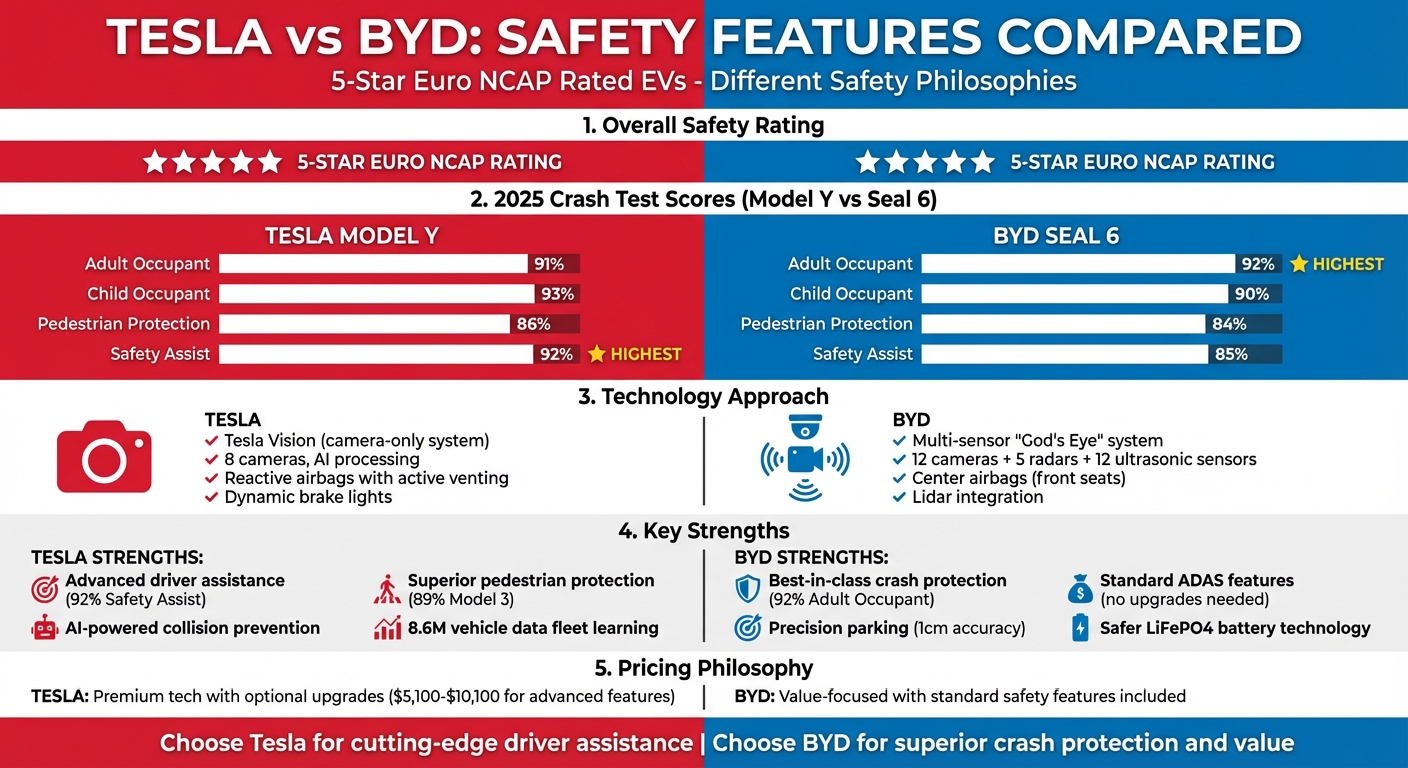
Euro NCAP Star Ratings give cars a score from 1 to 5 stars. They test adult and child protection, pedestrian safety, and safety assist technologies. Euro NCAP covers more safety features in their evaluations.
| Rating System | Rating Scale | Key Tests | Focus Areas |
|---|---|---|---|
| NHTSA | 1 to 5 stars | Frontal, Side, Rollover | Basic crash safety |
| IIHS | Good to Poor grades | Multiple crash types, headlights, prevention | Crashworthiness and avoidance |
| Euro NCAP | 1 to 5 stars | Adult/Child, Pedestrian, Safety Assist | Comprehensive safety features |
Crash Test Rating Levels
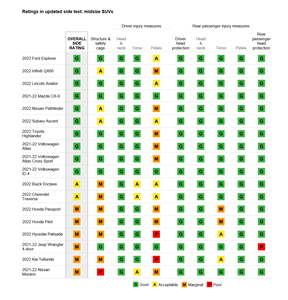
Crash test ratings show how safe a car is in a crash. The four main levels are Good, Acceptable, Marginal, and Poor. “Good” means the car offers the best protection. “Acceptable” means the car is safe but not the best. “Marginal” shows some risks in a crash, and “Poor” means the car has serious safety issues.
The Five-Star Safety Scale is another way to rate cars. It uses stars from one to five. Five stars mean the car is very safe. One star means the car is unsafe. This scale helps buyers quickly understand safety levels.
These ratings affect consumer decisions. Many people choose cars with high ratings to protect themselves and their families. Safety scores also help compare different car models easily. Knowing these ratings can save lives on the road.
Top-rated Car Brands
Volvo, Subaru, and Tesla often lead in safety ratings. These brands earn top marks for crash protection and accident avoidance. Their cars score well in front, side, and rollover crash tests.
Models like the Volvo XC90 and Subaru Outback show excellent crash test results. Tesla’s Model 3 also ranks high for safety in many tests. These models protect passengers well in crashes.
Key features that boost safety scores include advanced airbags, strong frames, and electronic stability control. Many top brands use automatic emergency braking and lane-keeping assist. These help avoid crashes or reduce crash impact.
Lowest-rated Vehicles
Some car brands often get poor crash test scores. These brands usually have weak frames and poor airbag performance. Common safety issues include bad protection in side impacts and roof strength problems. Many of these vehicles also lack advanced safety features like automatic emergency braking.
Drivers and passengers in these cars face higher risks of serious injuries or death during crashes. Lower crash ratings mean less protection in accidents. Choosing such cars increases the chance of harm in crashes.
| Common Safety Shortcomings | Risks for Drivers and Passengers |
|---|---|
| Weak frame structure | More injuries from impacts |
| Poor airbag deployment | Less protection in crashes |
| Limited side-impact protection | Higher chance of side injuries |
| Low roof strength | Greater risk in rollovers |
| Missing advanced safety tech | Less crash prevention |
Comparing Cars Across Classes
Subcompact cars are smaller and lighter than midsize sedans. They usually get good crash test scores due to their modern safety features. Midsize sedans offer more space and often have stronger frames. This can help in crashes but can also mean more weight to manage. Both classes have models with excellent safety ratings, so check each car’s specific score.
SUVs and pickups are bigger and heavier than sedans. They often protect passengers well in crashes with smaller cars. However, their higher center of gravity can lead to more rollovers. Safety features like electronic stability control help reduce this risk. Pickup trucks vary in safety based on size and build.
| Vehicle Class | Death Rate (per million vehicles) |
|---|---|
| Subcompact Cars | 18 |
| Midsize Sedans | 15 |
| SUVs | 14 |
| Pickup Trucks | 17 |
Lower death rates mean better safety on average. SUVs and midsize sedans generally have lower death rates than subcompacts and pickups. Always consider crash test scores and safety features when choosing a vehicle.
Advanced Safety Features
Crash avoidance technologies include features like automatic emergency braking, lane departure warnings, and blind spot detection. These systems help drivers avoid accidents by alerting them or taking action.
Airbags and restraint systems protect passengers during a crash. Multiple airbags, including front, side, and curtain airbags, reduce injury risk. Seat belts with pretensioners keep occupants securely in place.
Structural design innovations improve the car’s ability to absorb crash energy. Crumple zones and reinforced cabins protect the passenger area. Strong frames help keep the vehicle stable during impact.
How To Use Crash Test Ratings
Crash test ratings help measure how safe a car is in a crash. New cars often have the latest safety features and higher ratings. Used cars may have older technology but can still be safe if they scored well in past tests.
Safety is very important, but other factors matter too. Think about price, fuel efficiency, and reliability. A car with a top crash rating might cost more or use more gas.
| Source | What It Offers | Website |
|---|---|---|
| National Highway Traffic Safety Administration (NHTSA) | Star ratings for crash safety and rollover risk | nhtsa.gov/ratings |
| Insurance Institute for Highway Safety (IIHS) | Crash test results and safety awards | iihs.org/ratings |
| Consumer Reports | Safety scores based on tests and owner feedback | consumerreports.org/cars/car-safety |
Use these trusted sources to compare car safety before buying. Check both new and used car ratings to find the best fit.
Future Trends In Vehicle Safety
Emerging testing protocols focus on new crash scenarios. These include crashes involving electric vehicles and pedestrians. Testing now considers vehicle-to-vehicle communication and sensor performance. These protocols aim to make safety tests more realistic and thorough.
Integration of autonomous systems changes how vehicles respond in crashes. Self-driving cars use advanced sensors to avoid accidents. Testing includes how well these systems handle emergency braking and obstacle detection. Safety ratings will reflect a vehicle’s ability to prevent crashes before they happen.
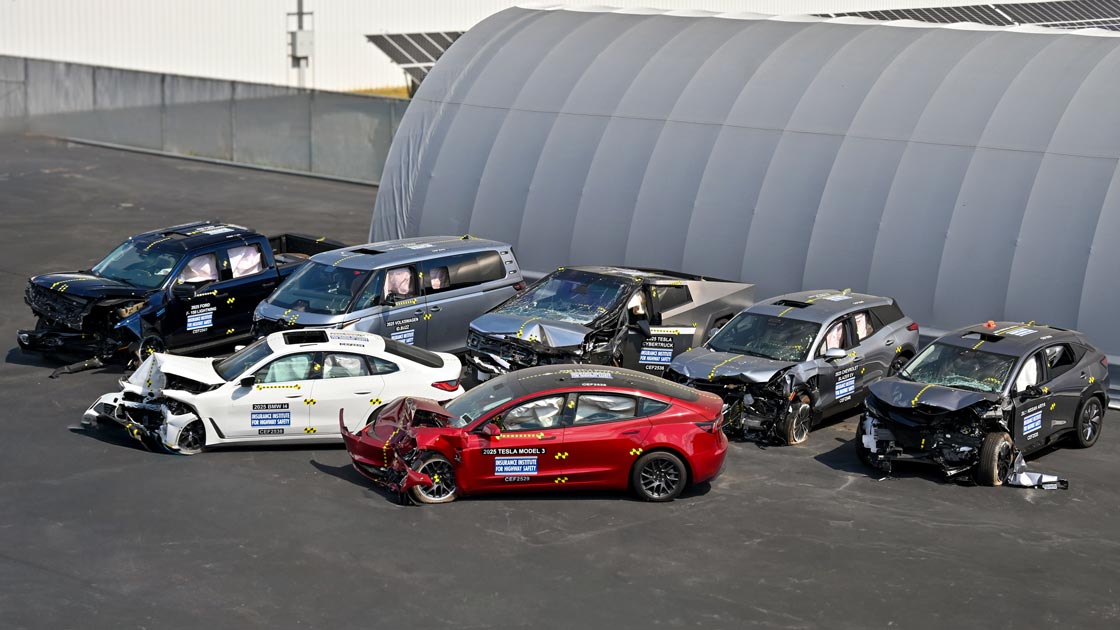
Improving consumer awareness helps buyers choose safer cars. Easy-to-understand ratings and videos show real crash results. More websites and apps explain what safety features mean. This helps people make smart decisions without needing technical knowledge.
Frequently Asked Questions
What Are The Levels Of Crash Test Rating?
Crash test ratings typically range from Poor, Marginal, Acceptable, to Good. Some agencies also use a star system from 1 to 5 stars. These levels indicate vehicle safety performance in crash scenarios. Higher ratings mean better protection for occupants.
Which Car Brand Has The Best Crash Test Rating?
Volvo consistently earns top crash test ratings from IIHS and NHTSA for its advanced safety features and strong crashworthiness.
Which Car Has The Worst Crash Test Rating?
The 2011 Fiat Panda received one of the worst crash test ratings from Euro NCAP. It scored poorly in multiple safety categories.
What Suv Has A 5-star Crash Rating?
The 2024 Subaru Outback and Toyota Highlander both have 5-star crash ratings from NHTSA. They offer excellent safety features and protection.
Conclusion
Choosing a car with a strong crash test rating saves lives. Comparing ratings helps find the safest options. Pay attention to scores from trusted agencies like NHTSA and IIHS. Remember, not all cars perform equally in every test. Prioritize vehicles with high ratings across multiple crash scenarios.
Safety matters for every driver and passenger. Use this knowledge to make smart choices on the road. Stay informed, stay protected, and drive with confidence.
Read More
- Insurance Claim Repair Process: Simplify and Speed Up Your Recovery
- Full Coverage Car Insurance Premiums: Save Big with Expert Tips
- Diminished Value Claim Calculator: Maximize Your Car’s Worth Today
- Electric Truck Ownership Costs: Hidden Savings You Can’t Ignore
- Hybrid Sedan Reliability Ratings: Top Picks for Lasting Performance
- Teen Driver Safety Technology: Essential Tools for Protecting Teens
- Plug in Hybrid Review Guide: Ultimate Insights for Smart Buyers
- Auto Insurance Deductible Savings: Maximize Your Money Today
- Usage Based Auto Insurance Rates: Save Big with Smart Driving Choices
- Blind Spot Monitoring Benefits: Enhance Safety and Drive Confidently