
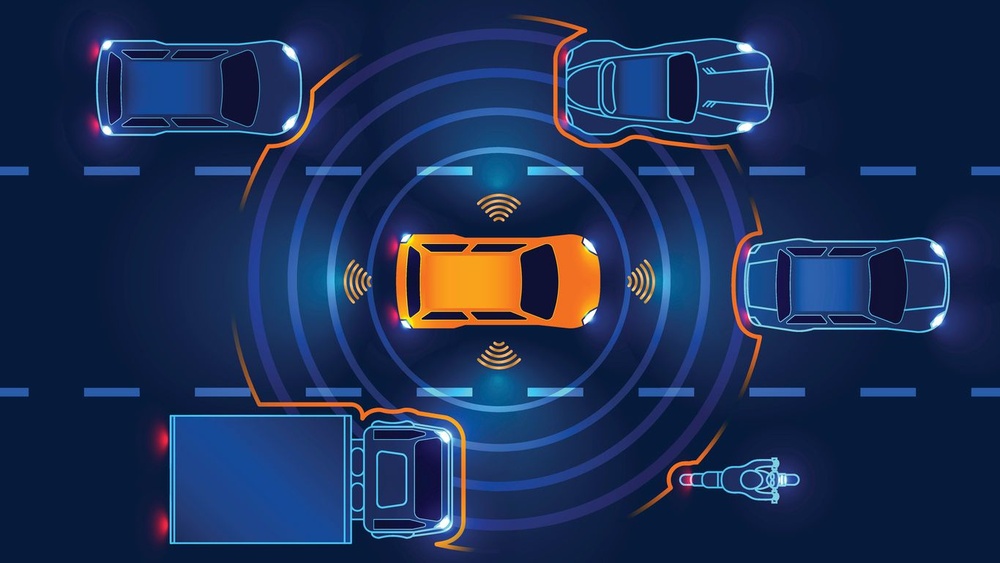
Imagine having a co-pilot in your car who’s always alert, ready to warn you about potential dangers, and even step in to help avoid accidents. That’s exactly what Advanced Driver Assistance Systems (ADAS) do for you.
These smart technologies are changing the way you drive by making your trips safer, easier, and less stressful. Whether it’s helping you stay in your lane, braking automatically when a collision is near, or guiding you during tricky parking maneuvers, ADAS is designed to protect you and everyone around you on the road.
Ready to discover how these systems work and why they’re becoming a must-have in modern vehicles? Keep reading to learn how ADAS can transform your driving experience.

Core Adas Features
Active safety systems help avoid crashes by acting fast. Features like Automatic Emergency Braking stop the car if a collision is near. Adaptive Cruise Control keeps a safe distance from other vehicles. Lane Keeping Assist gently steers the car back if it drifts out of the lane. These systems work together to protect drivers and passengers.
Parking and maneuvering aids make driving easier in tight spaces. Surround-View Cameras give a 360-degree view around the car. Rear Cross-Traffic Alerts warn about cars approaching from the side when reversing. Intelligent Parking Assist helps steer the vehicle into parking spots.
Key Technologies Behind Adas
Camera systems help cars see the road. They spot lane markings, traffic signs, and pedestrians. These cameras give real-time images to the car’s computer. This allows quick decisions for safety.
Radar sensors send radio waves to detect objects ahead. They measure the distance and speed of other vehicles. This helps with adaptive cruise control and collision warnings.
Ultrasonic detectors use sound waves to find nearby objects. They work well at low speeds for parking and tight spaces. These sensors help avoid bumps and scrapes.
Common Adas Functions
Calibration is essential for Advanced Driver Assistance Systems (ADAS) to work correctly. These systems rely on sensors like cameras and radars. If sensors are misaligned, ADAS may give wrong warnings or fail to operate.
Calibration should be done after windshield replacement, collision repairs, or sensor adjustments. Regular checks keep systems accurate and safe.
Professional calibration services use special tools and software. They ensure sensors and cameras are perfectly aligned. This helps ADAS perform as intended, improving safety on the road.

Identifying Adas In Your Vehicle
Accident Reduction is one of the main benefits of Advanced Driver Assistance Systems (ADAS). These systems help by alerting drivers to dangers and sometimes taking control to avoid crashes. Features like automatic emergency braking and lane keeping assist lower the chance of collisions. Studies show ADAS can reduce accidents by up to 30%.
Driver Assistance Benefits include less stress and better focus on the road. Systems like blind spot detection and adaptive cruise control make driving easier and safer. They help with parking, speed control, and staying in the correct lane.
Limitations and Challenges remain. ADAS may not work well in bad weather or poor lighting. Drivers must stay alert because these systems do not replace human control. Some drivers may rely too much on technology, which can be risky.
Maintenance And Calibration
Government agencies set rules to make ADAS safe and reliable. They create standards that car makers must follow. These rules help reduce accidents and protect drivers.
Agencies like the National Highway Traffic Safety Administration (NHTSA) test and approve ADAS features. They also gather data to improve safety laws. This keeps technology up to date and effective.
Industry best practices include regular testing and clear communication. Companies share knowledge to improve ADAS systems. Training for drivers about ADAS use is also important.
| Role | Details |
|---|---|
| Government Agencies | Set safety standards, test systems, update laws |
| Industry Best Practices | Regular testing, sharing knowledge, driver training |

Frequently Asked Questions
What Does The Advanced Driver Assistance System Do?
The advanced driver assistance system uses sensors and cameras to enhance vehicle safety. It helps with braking, lane keeping, and parking to prevent accidents.
What Are The 5 Levels Of Adas?
The 5 levels of ADAS range from Level 0 (no automation) to Level 5 (full automation). Levels 1-2 provide driver assistance. Levels 3-4 offer conditional to high automation. Level 5 achieves full self-driving without human input.
Which Advanced Driver Assistance System Is Most Likely To Help You?
Adaptive Cruise Control likely helps most by maintaining safe distance and speed, reducing driver stress and accident risks.
How Do I Know If My Car Has Advanced Driver Assistance Systems?
Check your car’s instrument cluster for labels like “Adaptive Cruise Control” or “Lane Keeping Assist. ” Review the owner’s manual for listed safety features. Test features such as automatic braking or lane departure warnings on a safe, open road.
Conclusion
Advanced Driver Assistance Systems make driving safer and easier every day. These systems help prevent accidents and reduce driver stress. They use cameras, radar, and sensors to monitor the road. Regular maintenance keeps ADAS working well and reliable. Understanding these features helps drivers use them better.
As technology grows, ADAS will continue to improve road safety. Staying informed about these systems supports safer driving habits. Trust in your vehicle’s ADAS to assist you on every trip.
Read More
- Insurance Claim Repair Process: Simplify and Speed Up Your Recovery
- Full Coverage Car Insurance Premiums: Save Big with Expert Tips
- Diminished Value Claim Calculator: Maximize Your Car’s Worth Today
- Electric Truck Ownership Costs: Hidden Savings You Can’t Ignore
- Hybrid Sedan Reliability Ratings: Top Picks for Lasting Performance
- Teen Driver Safety Technology: Essential Tools for Protecting Teens
- Plug in Hybrid Review Guide: Ultimate Insights for Smart Buyers
- Auto Insurance Deductible Savings: Maximize Your Money Today
- Usage Based Auto Insurance Rates: Save Big with Smart Driving Choices
- Blind Spot Monitoring Benefits: Enhance Safety and Drive Confidently