
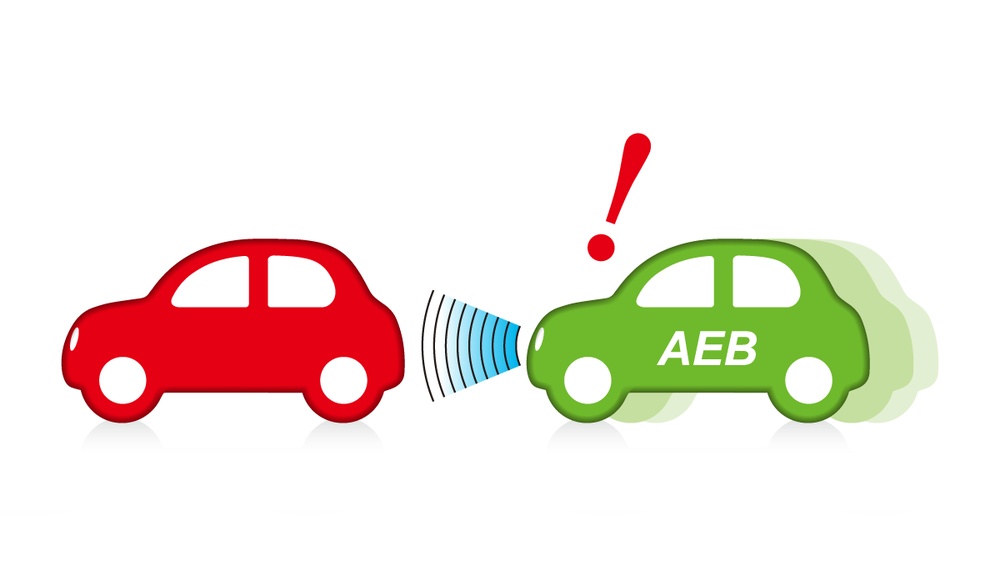
Imagine driving down a busy street when suddenly a child runs into the road or the car ahead stops abruptly. What if your car could react faster than you, applying the brakes automatically to prevent a crash?
That’s exactly what Automatic Emergency Braking (AEB) does. If you want to protect yourself, your loved ones, and everyone on the road, understanding how these smart braking systems work is crucial. You’ll discover why automatic emergency braking cars are becoming a must-have, how they keep you safer, and what to look for when choosing your next vehicle.
Don’t wait until an accident happens—learn how AEB technology can give you peace of mind every time you drive.
How Automatic Emergency Braking Works
Automatic Emergency Braking (AEB) uses special sensors to spot dangers ahead. These sensors include radar, cameras, and lidar. They scan the road for cars, pedestrians, or other obstacles.
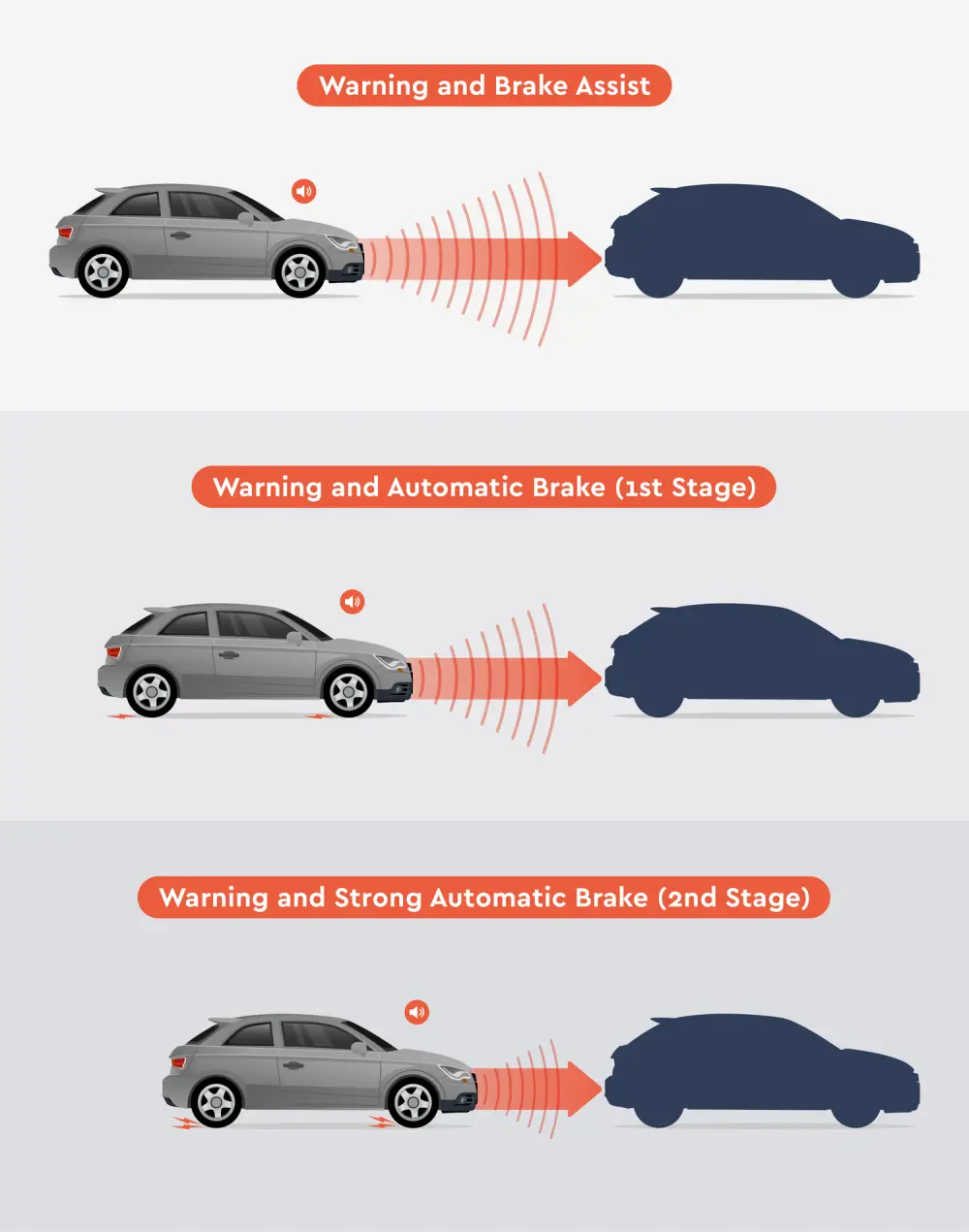
Once a danger is detected, the system alerts the driver first. If no action is taken, the brakes activate automatically. This helps to slow the car or stop it to avoid a crash or lessen the impact.
| Obstacle Type | Detection Method |
|---|---|
| Vehicles | Radar and cameras |
| Pedestrians | Cameras and lidar |
| Animals and objects | Radar and cameras |

Safety Benefits Of Aeb
Automatic Emergency Braking (AEB) helps reduce how hard a crash hits. It senses danger and slows the car quickly. This can lower the risk of serious injuries and damage.
AEB is very good at preventing rear-end crashes. Many accidents happen when drivers do not stop in time. AEB steps in and applies the brakes before a crash occurs. This keeps drivers and passengers safer on the road.
Protecting pedestrians and cyclists is another key benefit. AEB can detect people walking or riding near the car. It stops or slows the vehicle to avoid hitting them. This makes streets safer for everyone.
Aeb In New Vehicles
Almost all new cars now have Automatic Emergency Braking (AEB) as a standard feature. Major brands include Toyota, Honda, and Subaru. Toyota offers AEB with its Safety Sense suite on models like the Camry. Honda uses the Honda Sensing package, found on the Civic and Pilot. Subaru equips many models, such as the Outback and Forester, with the EyeSight driver assist technology.
AEB works by using sensors to detect possible collisions. It applies brakes automatically to reduce crash risks. This system often works with other safety features, like lane keeping and adaptive cruise control. Together, these systems enhance driver safety and help prevent accidents.
| Brand | Model Examples | AEB Integration |
|---|---|---|
| Toyota / Lexus | Camry, RAV4 | Part of Toyota Safety Sense |
| Honda / Acura | Civic, Pilot | Honda Sensing package |
| Subaru | Outback, Forester | EyeSight driver assist |
Aeb In Used Cars
Finding used cars with Automatic Emergency Braking (AEB) means checking vehicle features carefully. Many used cars made after 2015 have AEB as standard or optional. Dealerships and online listings often show if AEB is included. Look for models from brands known for safety, like Toyota, Honda, Subaru, and Volvo. Sometimes, the feature is part of a safety package, so confirm the exact trim level.
Buying used cars with AEB offers improved safety at a lower cost than new cars. This system can help reduce accidents by alerting the driver or braking automatically. It adds value to the vehicle and can lower insurance rates. AEB is especially helpful in city driving and heavy traffic.
Older models with AEB may not have the latest sensors or software updates. Check for any recalls or service bulletins related to the system. Test the AEB during a safe drive to ensure it works properly. Battery condition and sensor cleanliness affect performance. Some early versions might not detect all obstacles or work in bad weather.
Challenges And Limitations
False positives can cause sudden, unnecessary braking. This may surprise drivers and others on the road. Sensors sometimes mistake harmless objects for dangers, leading to unintended stops. This issue can reduce trust in the system.
Bad weather like rain, fog, or snow affects sensor accuracy. Cameras and radars may struggle to detect obstacles clearly. This can delay or prevent braking when needed most. Drivers must stay alert and ready to take control.
Automatic emergency braking systems add to the car’s initial cost. Repairs can also be expensive if sensors or cameras get damaged. Fixing these parts often requires special tools and skills. This can make maintenance harder and pricier for owners.
Future Of Emergency Braking
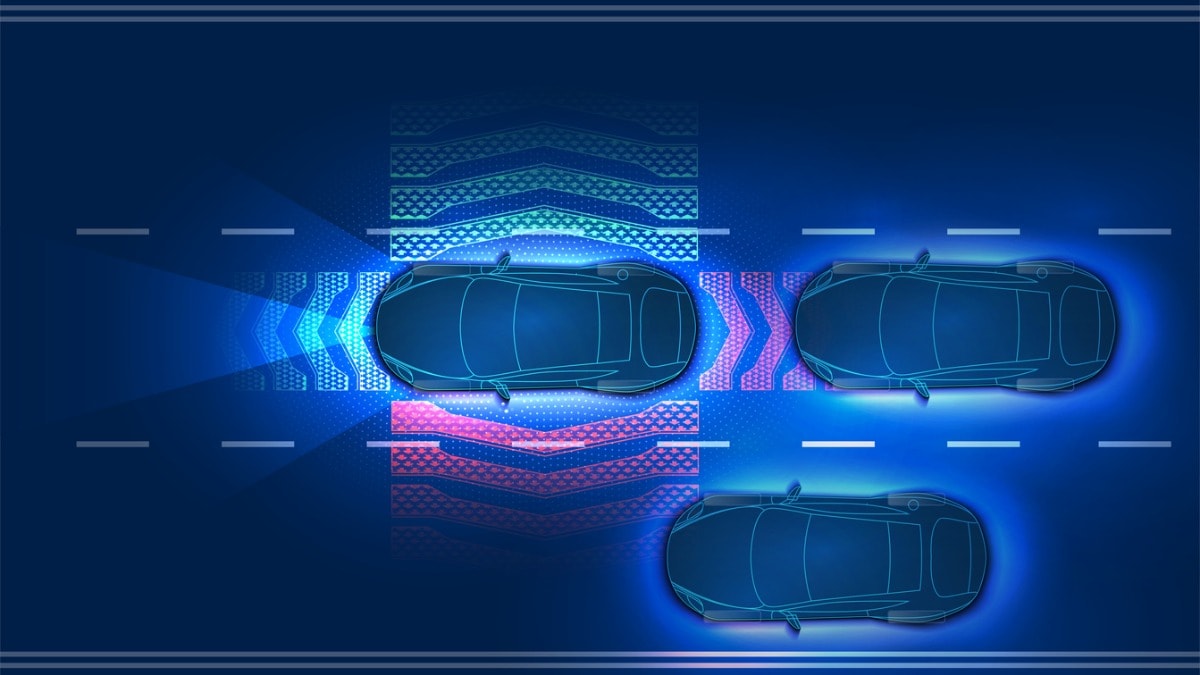
Sensor technology is improving rapidly. Modern sensors detect obstacles more accurately and faster. These sensors include radar, cameras, and lidar. They work together to scan the road ahead and around the vehicle. This helps the car react quickly to potential dangers.
Automatic emergency braking systems are becoming part of autonomous driving technology. They help self-driving cars stop safely if a collision is near. Integration with other systems like adaptive cruise control makes driving smoother and safer.
System reliability is a top focus. Engineers test these systems in many conditions like rain, fog, and night. Continuous software updates improve performance and reduce false alarms. This makes emergency braking more trustworthy for drivers everywhere.
How To Check For Aeb In Your Car
Manufacturer specifications reveal if your car has AEB. Check the owner’s manual or visit the manufacturer’s website. Most new cars list this safety feature clearly. Look for phrases like “Automatic Emergency Braking” or “Collision Mitigation.”
Dashboard indicators help confirm if AEB is active. Some cars show a symbol when the system is ready. This icon often looks like a car with lines or a radar wave. It lights up when you start the car or when AEB is working.
Aftermarket AEB options exist for older cars. These kits include sensors and control units. Installation usually requires a professional. Aftermarket systems might not be as reliable as factory-installed ones. Still, they add a layer of safety to vehicles without built-in AEB.
Aeb And Driving In Austin, Texas
Austin’s traffic can be busy and unpredictable. Automatic Emergency Braking (AEB) helps drivers react faster to sudden stops or obstacles. This technology uses sensors to detect potential crashes and applies brakes automatically. It reduces accidents and keeps roads safer.
The city supports safety through laws encouraging AEB in new vehicles. Local programs aim to increase awareness about the benefits of AEB. Drivers in Austin are becoming more informed about how this system can protect them.
| Aspect | Details |
|---|---|
| Traffic Conditions | Heavy traffic, sudden stops, frequent intersections |
| AEB Benefits | Reduces crashes, improves reaction times, lowers injuries |
| Local Regulations | Encourages AEB in new cars, supports safety programs |
| Consumer Awareness | Increasing knowledge about AEB advantages and use |
Frequently Asked Questions
Which Vehicles Have Automatic Emergency Braking?
Many new cars from Toyota, Honda, Tesla, Volvo, Mercedes-Benz, and Subaru include automatic emergency braking as standard or optional.
What Are The Disadvantages Of Aeb?
AEB may cause sudden braking, leading to rear-end collisions. Sensors can misinterpret objects, triggering false alarms. It may not detect all obstacles, especially in poor weather or low light. Some drivers may overly rely on AEB, reducing their attention and reaction time.
How Do I Know If My Car Has Autonomous Emergency Braking?
Check your car’s manual or manufacturer website for Autonomous Emergency Braking (AEB) details. Look for sensors or cameras near the windshield or grille. Many modern cars include AEB as standard or optional safety features. Dealer or mechanic can also confirm if your vehicle has AEB installed.
What Is Automatic Emergency Braking In Cars?
Automatic emergency braking (AEB) uses sensors to detect obstacles and automatically applies brakes to prevent or reduce collision impact.
Conclusion
Automatic emergency braking helps prevent crashes and save lives. Many new cars include this safety feature as standard. It uses sensors to detect danger and apply brakes quickly. Drivers stay safer on busy roads and in sudden stops. Choosing a car with automatic emergency braking improves overall safety.
Stay informed about this technology when shopping for vehicles. Safety matters most on every journey you take.
Read More
- Insurance Claim Repair Process: Simplify and Speed Up Your Recovery
- Full Coverage Car Insurance Premiums: Save Big with Expert Tips
- Diminished Value Claim Calculator: Maximize Your Car’s Worth Today
- Electric Truck Ownership Costs: Hidden Savings You Can’t Ignore
- Hybrid Sedan Reliability Ratings: Top Picks for Lasting Performance
- Teen Driver Safety Technology: Essential Tools for Protecting Teens
- Plug in Hybrid Review Guide: Ultimate Insights for Smart Buyers
- Auto Insurance Deductible Savings: Maximize Your Money Today
- Usage Based Auto Insurance Rates: Save Big with Smart Driving Choices
- Blind Spot Monitoring Benefits: Enhance Safety and Drive Confidently