
Have you ever wondered if your vehicle has an open recall that could affect your safety or your wallet? Knowing whether your car is part of a recall is crucial—and easier than you might think.
This Vehicle Recall Lookup Guide will show you exactly how to check your car’s recall status quickly and confidently. By the time you finish reading, you’ll have the tools to protect yourself, your passengers, and your investment. Don’t wait until a small issue becomes a big problem—let’s dive into the simple steps you can take right now to stay informed and safe on the road.
Check Recalls By Vin
Your Vehicle Identification Number (VIN) is a unique code for your car. It helps find recall info fast. You can find the VIN on the dashboard near the windshield, the driver’s side door frame, or your vehicle’s registration papers.
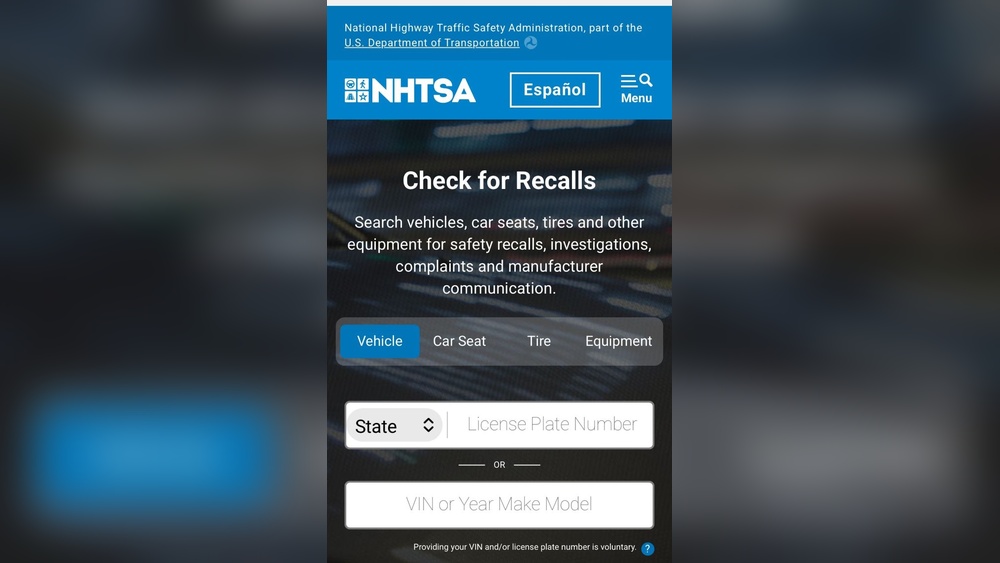
Official government websites like NHTSA.gov offer a free VIN lookup tool. Enter your VIN to see if your vehicle has any open recalls. These sites keep data updated and reliable.
Car manufacturers also list recall info on their official websites. Visit the site of your car’s brand and use their recall lookup tool. This gives you direct access to recalls and repair instructions for your make and model.
Check Recalls By License Plate
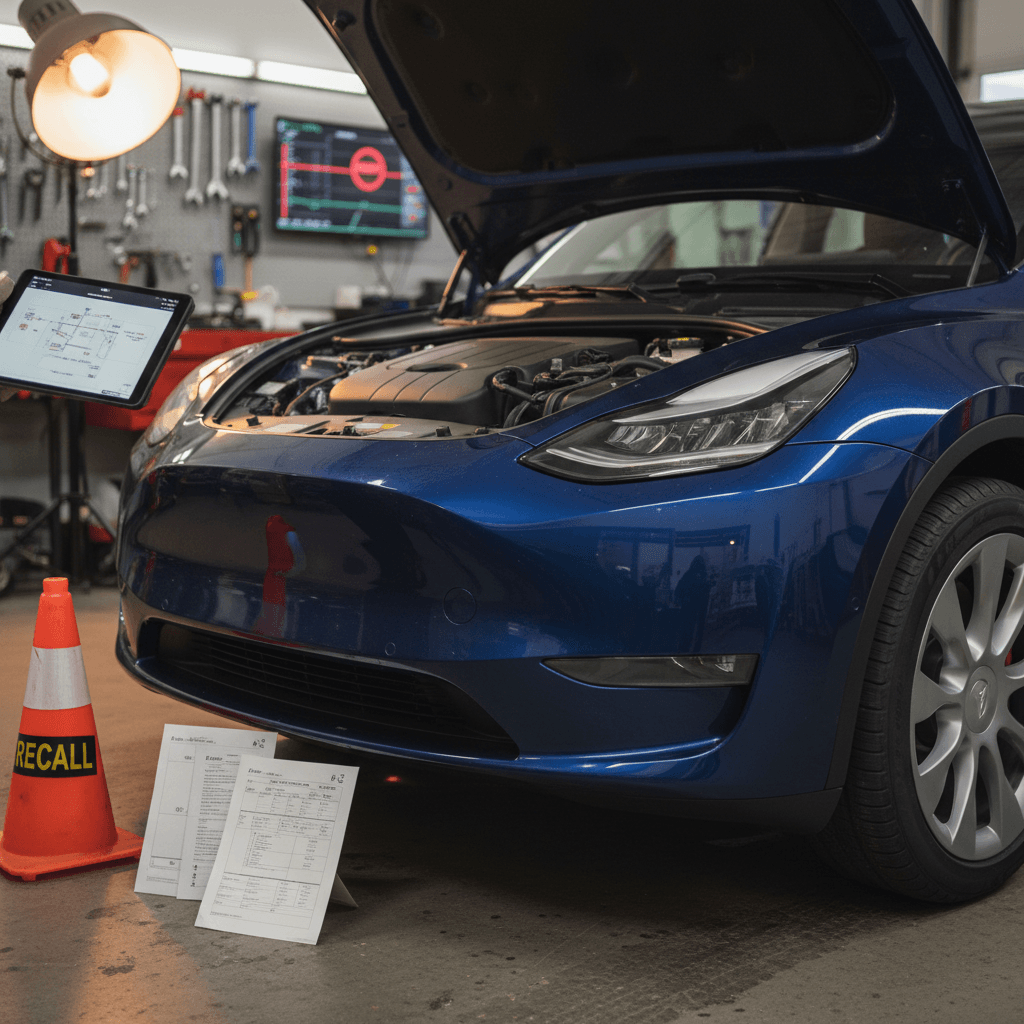
Many websites offer free vehicle recall lookups. Enter your license plate or VIN to start. The National Highway Traffic Safety Administration (NHTSA) provides a reliable tool to check recalls nationwide. Another trusted source is Carfax, which also includes detailed vehicle history.
Each state may have its own recall lookup website or service. Some states link directly to NHTSA’s database. Others provide additional information like repair locations or deadlines. Check your state’s Department of Motor Vehicles (DMV) site for specifics. State resources help ensure you find all recalls that apply to your vehicle.
Types Of Vehicle Recalls
Safety recalls address defects that may cause crashes or injuries. These recalls fix problems like faulty airbags, brakes, or seat belts. Fixing these issues keeps drivers and passengers safe.
Emissions recalls focus on parts that affect air pollution. Vehicles may release too many harmful gases. These recalls help cars meet clean air rules and protect the environment.
Equipment and accessory recalls cover parts like lights, wheels, or seats. These recalls fix items that do not work well or could cause accidents. Repairing them improves the car’s function and safety.
How Recalls Affect Safety
Contact your dealer as soon as you get a recall notice. They can explain the problem and what fixes are needed. Dealers usually offer repairs at no cost. Schedule your repair appointment early to avoid delays. Some repairs may require special parts, so wait times can happen. Keep your recall notice and vehicle information handy when calling.
Track your repair status by staying in touch with the dealer. Ask for updates if the repair takes longer than expected. Many dealers provide online tools to check repair progress. Do not ignore recalls. Fixing the issue protects your safety and others on the road.
Steps To Take After A Recall Notice
Regularly checking for vehicle recalls helps keep drivers safe. Use your Vehicle Identification Number (VIN) to find recall information online. Websites like nhtsa.gov offer free recall lookups. This simple step can prevent accidents caused by faulty parts.
Keep all vehicle documents organized and up to date. Documents like the owner’s manual, repair records, and recall notices are important. They help track your vehicle’s history and any needed repairs.
Recall alert services send notifications if your vehicle has a recall. Signing up is easy and helps you stay informed without searching. These alerts ensure you act quickly to fix any safety issues.
Preventive Measures To Stay Safe
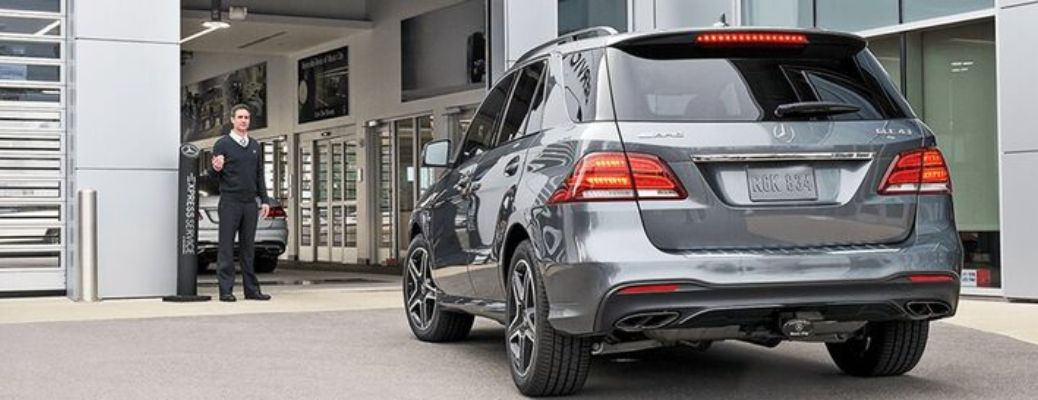
Recall records are available to the public through government websites. This openness helps keep drivers safe by sharing important safety alerts. Anyone can access details about vehicle recalls by using a Vehicle Identification Number (VIN) or license plate.
Public access to recall data shows a strong commitment to vehicle safety and transparency. It allows owners to quickly learn about any safety issues affecting their cars. This helps prevent accidents and keeps everyone informed.
To report a safety concern, contact the National Highway Traffic Safety Administration (NHTSA). They review all reports and take action when needed. Reporting helps improve safety for all drivers on the road.
Public Access To Recall Information
Recall repairs are always free. Car makers must fix defects at no cost to owners. This covers parts and labor. It applies whether the problem is big or small. You just need to take your vehicle to an authorized dealer.
Recalls stay active indefinitely. They do not expire over time. Even old cars can have open recalls. Owners should check their vehicle’s status regularly. Fixes remain available as long as the manufacturer supports the model.
Buying a used car? Recalls still matter. The new owner can get recall repairs free too. It is smart to check the Vehicle Identification Number (VIN) before buying. This helps avoid safety problems and costly repairs later.
Frequently Asked Questions
How To Find Out If Your Car Is On A Recall List?
Enter your Vehicle Identification Number (VIN) at NHTSA. gov or Carfax. com to check recall status. Manufacturer websites also provide recall info.
Is A Vin Recall Free?
VIN recall repairs are free of charge. Manufacturers cover the costs to fix safety-related defects. Always check for open recalls using your VIN.
Are Vehicle Recalls Public Record?
Yes, vehicle recalls are public records. You can check recall status using your VIN on official sites like NHTSA. gov.
How Do I Find Out What Recall Is On My Car?
Enter your Vehicle Identification Number (VIN) at Safercar. gov or your car manufacturer’s website to check recall status.
Conclusion
Checking your vehicle for recalls helps keep you and others safe. Use your VIN or license plate to find recall information quickly. Regularly checking ensures you don’t miss important repairs. Remember, recall repairs usually cost nothing to you. Stay informed and act fast if you find any recall notices.
Taking these simple steps protects your vehicle and everyone on the road.
Read More
- Insurance Claim Repair Process: Simplify and Speed Up Your Recovery
- Full Coverage Car Insurance Premiums: Save Big with Expert Tips
- Diminished Value Claim Calculator: Maximize Your Car’s Worth Today
- Electric Truck Ownership Costs: Hidden Savings You Can’t Ignore
- Hybrid Sedan Reliability Ratings: Top Picks for Lasting Performance
- Teen Driver Safety Technology: Essential Tools for Protecting Teens
- Plug in Hybrid Review Guide: Ultimate Insights for Smart Buyers
- Auto Insurance Deductible Savings: Maximize Your Money Today
- Usage Based Auto Insurance Rates: Save Big with Smart Driving Choices
- Blind Spot Monitoring Benefits: Enhance Safety and Drive Confidently