
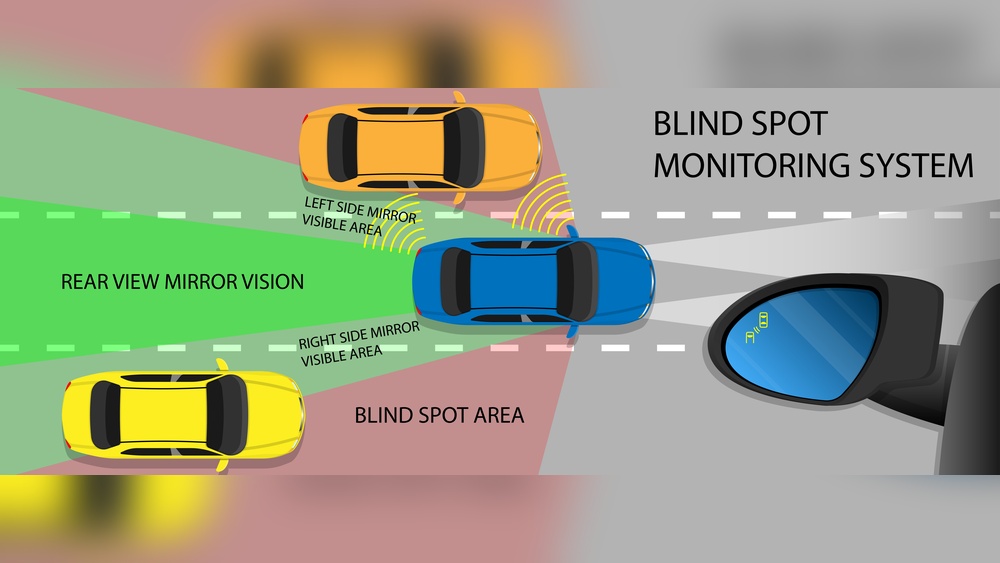
Imagine cruising down the highway or navigating busy city streets with an extra set of eyes watching your sides. That’s exactly what blind spot monitoring does for you.
It alerts you when another vehicle hides in those hard-to-see spots beside your car—spots that can cause dangerous surprises during lane changes or merges. By giving you timely warnings, this technology helps you avoid collisions and stay safer on the road.
If you want to drive with more confidence and peace of mind, understanding the benefits of blind spot monitoring could be a game-changer for your daily commute and road trips. Keep reading to discover how this smart feature can protect you and your loved ones every time you get behind the wheel.
How Blind Spot Monitoring Works
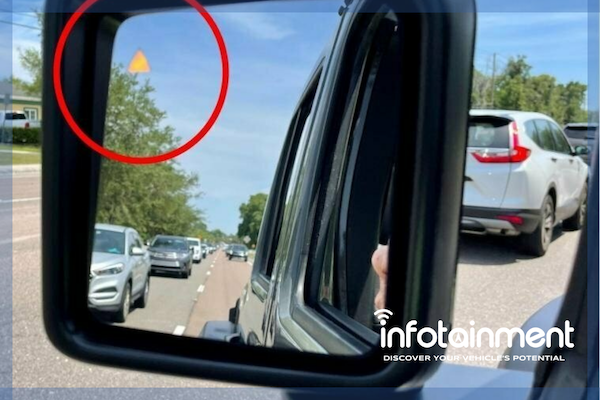
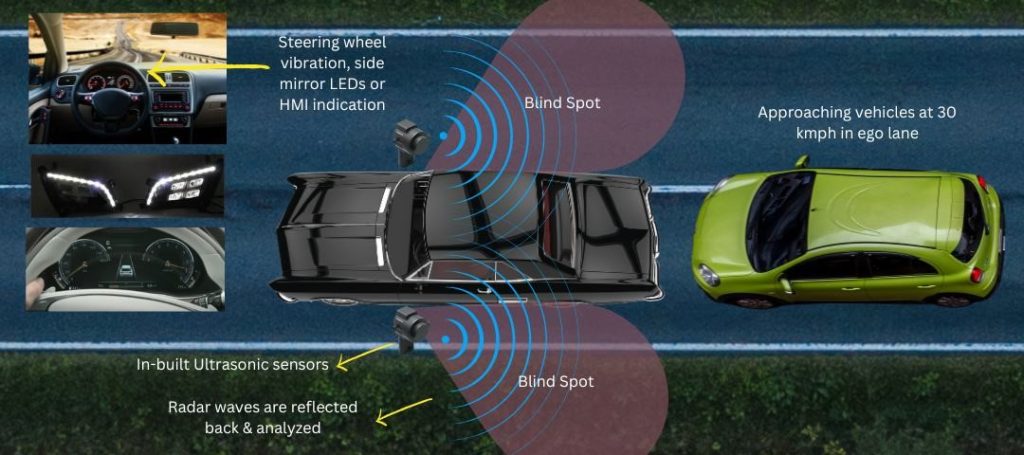
Blind spot monitoring uses sensors and cameras placed around the car. These devices detect vehicles in areas hard to see. The system sends alerts through visual signals, like lights on side mirrors, or audible sounds to warn the driver.
Alert types vary. Some cars beep or vibrate the steering wheel. Others flash warning lights. These alerts help drivers avoid accidents by making them aware of nearby cars.
System activation usually happens when the car is moving above certain speeds. It turns on automatically when the driver signals a lane change. This ensures the system works only when needed, reducing distractions.
Safety Benefits
Blind Spot Monitoring helps drivers avoid crashes by alerting them about vehicles in hidden areas. It reduces the chance of side collisions during lane changes.
This system gives warnings using lights or sounds. It supports safer and smoother lane changes, especially on busy roads.
For larger vehicles, it is very helpful. Drivers can spot cars or bikes that are hard to see. This lowers the risk of accidents.
Overall, blind spot monitoring makes driving safer and less stressful. It acts like extra eyes on the road.
Driver Confidence Boost
Blind Spot Monitoring helps drivers feel more confident on the road. It alerts about cars hidden in blind spots, making lane changes safer. This technology is especially useful on highways where cars move fast.
During heavy traffic, it is hard to check all sides. Blind Spot Monitoring gives warnings, helping drivers avoid collisions. This reduces the chances of accidents and keeps everyone safer.
Stress drops because drivers do not worry about missing nearby cars. The system acts like an extra pair of eyes, making driving less tiring. It lets drivers focus on the road ahead.
Comparing To Traditional Methods
Side mirror adjustments require drivers to position mirrors correctly to reduce blind spots. This method depends on the driver’s skill and attention. It can be challenging to eliminate all blind spots using manual adjustments alone.
Blind spot mirrors are small convex mirrors added to side mirrors. They increase the field of view and help spot vehicles in blind spots. These mirrors are inexpensive and easy to install but have limited coverage.
Manual checks involve turning the head to look over the shoulder before lane changes. This method can be slow and distracting, especially in heavy traffic. Drivers may miss fast-approaching vehicles or forget to check.
| Method | Advantages | Limitations |
|---|---|---|
| Side Mirror Adjustments | Simple, no extra cost | Blind spots may remain, depends on skill |
| Blind Spot Mirrors | Increased view, easy to install | Limited coverage, small size |
| Manual Checks | Direct view, no devices needed | Distracting, slow, may miss fast vehicles |
Limitations And Drawbacks
False alerts can annoy drivers by warning when no danger exists. This may cause some to ignore real warnings.
System blind spots still exist. Sensors might miss small or fast-moving objects near the vehicle.
Dependence on technology can reduce driver attention. Drivers might trust the system too much and stop checking mirrors.
These limits mean blind spot monitors are helpful but not perfect. Always stay alert and use mirrors.
Insurance And Cost Impact
Insurance premiums may decrease with blind spot monitoring. Many insurers offer discounts for cars with advanced safety features. This system lowers the chance of accidents, which helps reduce insurance costs.
Resale value of a vehicle can increase with blind spot monitoring. Buyers prefer cars with extra safety features. This makes the car easier to sell and often at a higher price.
| Cost Aspect | Benefit |
|---|---|
| Initial installation | Higher upfront cost but adds safety |
| Insurance premiums | Possible discounts lower yearly expenses |
| Resale value | Increases due to desirable safety feature |
| Accident risk | Reduces chances of costly collisions |
Overall, the benefits often outweigh the costs. Savings on insurance and better resale value add up over time.
Future Of Blind Spot Technology
Blind spot technology will soon connect with Advanced Driver Assistance Systems (ADAS). This integration helps cars react faster to dangers. Sensors will become smarter, using radar and cameras to spot objects better. These sensors can work in bad weather or at night.
New sensor tech can detect smaller or faster objects. This means drivers get warnings earlier. Systems may also warn about pedestrians and bicycles near the car. This extra help can prevent accidents.
Future updates might include automatic steering corrections if a lane change is unsafe. Cars could also share blind spot info with nearby vehicles. This communication makes driving safer for everyone on the road.

Choosing Vehicles With Blind Spot Monitoring
Many popular car models now include blind spot monitoring as a standard or optional feature. Examples include the Toyota Camry, Honda Accord, Ford Escape, and Hyundai Tucson. Each model offers different feature variations, such as alerts through sounds, lights, or vibrations.
Some systems detect only cars, while others sense motorcycles and bicycles too. Installation options vary; some vehicles come with built-in systems, while aftermarket kits can be added later. These kits often use sensors attached to the rear bumper and connect to the vehicle’s display or mirrors.
| Aspect | Details |
|---|---|
| Popular Models | Toyota Camry, Honda Accord, Ford Escape, Hyundai Tucson |
| Feature Variations | Audible alerts, visual lights, mirror vibrations |
| Installation Options | Factory-installed or aftermarket sensor kits |
Frequently Asked Questions
How Useful Is Blind Spot Monitoring?
Blind spot monitoring improves safety by alerting drivers to vehicles in blind spots, reducing collision risks during lane changes. It boosts driver confidence in heavy traffic and adds a valuable second set of eyes on the road.
What Are The Drawbacks Of Blind Spot Mirrors?
Blind spot mirrors can distort distance and size perception. They may create multiple images, causing confusion. Limited adjustment options reduce effectiveness. Some drivers rely too much on them, ignoring direct checks. They do not eliminate blind spots entirely.
What Are The Benefits Of Blind Spot?
Blind spot monitoring improves road safety by alerting drivers to unseen vehicles. It boosts confidence during lane changes and reduces collision risks.
Does Insurance Care About Blind Spot Monitoring?
Insurance companies generally do not offer discounts specifically for blind spot monitoring. This feature improves safety but rarely affects rates directly.
Conclusion
Blind spot monitoring helps drivers stay aware of unseen vehicles. It reduces accidents by alerting drivers to potential dangers. This technology boosts confidence during lane changes and merges. Drivers can focus more on the road and less on checking mirrors.
Overall, blind spot monitoring adds an important layer of safety. It supports safer driving habits and helps protect everyone on the road. Choosing a car with this system can lead to a safer driving experience. Staying alert is easier with the help of blind spot monitoring.
Read More
- Insurance Claim Repair Process: Simplify and Speed Up Your Recovery
- Full Coverage Car Insurance Premiums: Save Big with Expert Tips
- Diminished Value Claim Calculator: Maximize Your Car’s Worth Today
- Electric Truck Ownership Costs: Hidden Savings You Can’t Ignore
- Hybrid Sedan Reliability Ratings: Top Picks for Lasting Performance
- Teen Driver Safety Technology: Essential Tools for Protecting Teens
- Plug in Hybrid Review Guide: Ultimate Insights for Smart Buyers
- Auto Insurance Deductible Savings: Maximize Your Money Today
- Usage Based Auto Insurance Rates: Save Big with Smart Driving Choices
- Accident Forgiveness Insurance Coverage: Protect Your Premiums Today