
When it comes to your child’s safety, there’s no room for guesswork—especially in the car. You might think your car seat is installed correctly, but even small mistakes can put your little one at risk.
That’s why a thorough car seat safety inspection is a must. Imagine having an expert double-check every strap, buckle, and angle to give you peace of mind on every trip. You’ll discover why a professional car seat safety inspection is essential, how it protects your child, and where you can get one done—right here in Austin, Texas.
Don’t leave your child’s safety to chance; keep reading to learn how to make every ride as safe as possible.
Car Seat Types
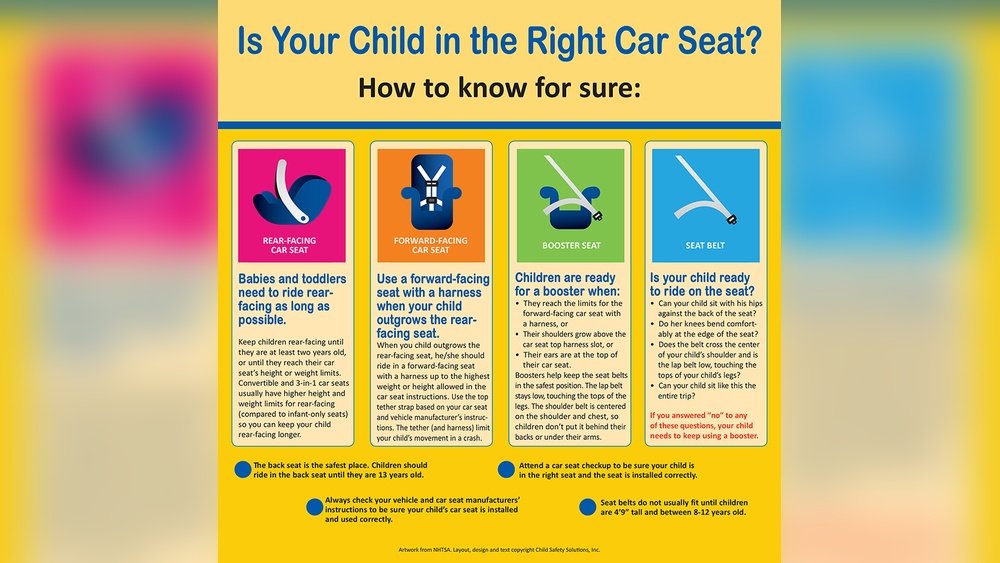
Infant seats are designed for babies up to 1 year old. They face the rear for better protection. These seats have a handle for easy carrying. They keep babies safe in short trips or long drives.
Convertible seats can be used both rear-facing and forward-facing. They fit children from infancy to toddler age. These seats grow with your child, saving money over time. Make sure to follow weight limits for safety.
Booster seats help older children use seat belts correctly. They raise the child so the belt fits over the shoulder and lap. Usually, kids use boosters from ages 4 to 12. Always check local laws about booster seat use.

Installation Basics
Using seat belts is a common way to install car seats. Make sure the belt is locked tightly with no slack. The seat should not move more than an inch side to side or front to back.
The LATCH system uses anchors built into your car. Attach the car seat’s connectors to these anchors. This method can make installation easier and more secure.
Watch out for common installation errors: loose belts, wrong angle of the seat, or using both seat belt and LATCH at the same time when not allowed. Check the car seat manual and your vehicle’s guide to avoid mistakes.
Inspection Checkpoints
Check the expiration date on the car seat label. Using a seat past its expiration can reduce safety. Seats usually expire after 6-10 years from manufacture.
Always verify recall notices for your seat model. Recalls fix safety issues. Visit manufacturer websites or government safety sites to stay updated.
Ensure the harness fits snugly around your child. Straps should lie flat without twists. Adjust harness height so straps are at or just below shoulders for rear-facing seats, and at or just above for forward-facing seats.
Safety Guidelines
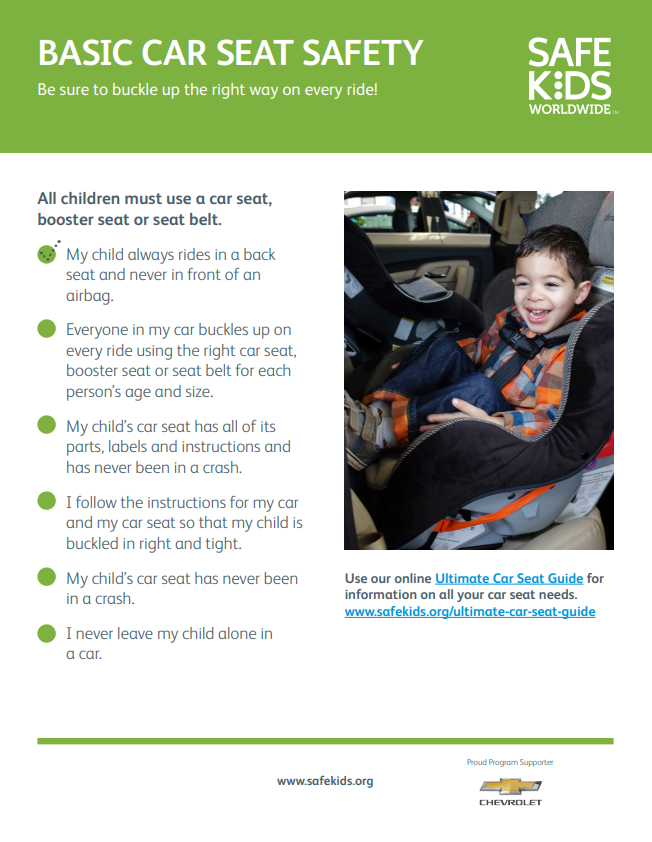
Weight and height limits are key for choosing the right car seat. Each seat has specific limits. Using a seat outside these limits can be unsafe. Always check the child’s weight and height before installing.
The proper seat angle helps keep the child safe and comfortable. Rear-facing seats need a recline angle of about 45 degrees. This angle supports the baby’s head and neck well. Forward-facing seats should be more upright, but still comfy.
Rear-facing vs forward-facing: Babies should ride rear-facing as long as possible. This position offers the best protection in a crash. Switch to forward-facing only when the child outgrows the rear-facing limits. Follow the car seat’s manual for guidance.
Local Resources
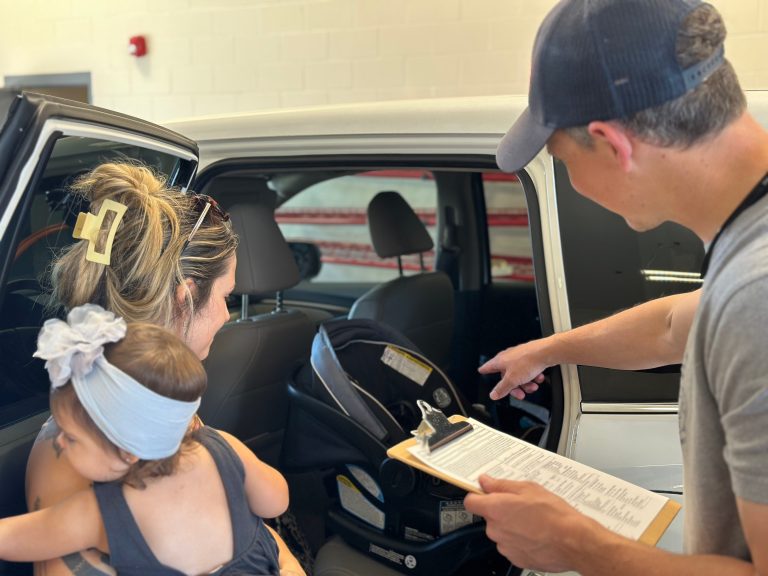
Certified technicians in Austin offer expert car seat inspections. They ensure your child’s seat is installed correctly and safely. Many local fire stations, hospitals, and safety organizations have trained staff ready to help.
Free inspection events happen regularly around Austin. These events provide a great chance to have your car seat checked at no cost. Staff explain how to use the seat properly and answer questions.
For help, visit places like Kids in Cars, Austin Safety First, or Dell Children’s Health. You can also contact Safe Kids Austin for a list of inspection stations. Local EMS offices sometimes offer free car seats to families who qualify.
Maintenance Tips
Clean your car seat regularly with mild soap and water. Avoid harsh chemicals that can damage the fabric or plastic. Wipe spills quickly to stop stains and odors.
Store car seats in a dry place, away from sunlight. Sunlight can weaken the seat’s material. Keep the seat in its original packaging if possible to protect it.
Replace car seats immediately after any crash. Even if the damage is not visible, the seat may be unsafe. Follow the manufacturer’s instructions for replacement timelines.
Common Questions
Transitioning car seats depends on your child’s age, height, and weight. Follow the car seat’s labels for limits. Usually, children move from rear-facing to forward-facing seats around 2 years old or when they outgrow rear-facing limits. Next, switch to a booster seat when the harness no longer fits properly. Always check the seat’s manual for exact guidelines.
Signs of wear include cracks, broken parts, or missing pieces. Straps that are frayed or not working well can be dangerous. Expired seats should not be used. Most car seats have an expiration date printed on the label or shell. Using a damaged or expired seat can reduce safety in crashes.
Travel and car seats require extra care. Seats should be installed tightly using either the seat belt or LATCH system. Never use a seat that was in a crash. Always secure the seat firmly before driving. Carry the seat manual when traveling to help with installation in different cars.
Frequently Asked Questions
What Is A Car Seat Safety Inspection?
A car seat safety inspection checks if your child’s seat is properly installed. Experts verify correct placement, tightness, and seat condition to ensure maximum safety.
How Often Should I Get A Car Seat Inspected?
It is recommended to have your car seat inspected at least once a year. Also, inspect after accidents or when switching vehicles to maintain safety.
Where Can I Find Car Seat Inspection Services In Austin?
Austin offers several inspection options, including Safe Kids Austin and Austin-Travis County EMS. Certified technicians provide free or low-cost inspections and installation help.
Why Is Professional Car Seat Inspection Important?
Professionals ensure the car seat is installed correctly and fits your child’s size. Proper installation reduces injury risk and ensures compliance with safety standards.
Conclusion
Regular car seat safety inspections protect your child on every trip. Check the seat’s fit, installation, and expiration date often. Use local resources like certified technicians for expert help. Stay informed about recalls and safety updates in Austin, Texas. A secure car seat reduces injury risk during accidents.
Make inspections part of your routine before each journey. Keep your child safe with simple, steady care. Safety matters most when driving with young passengers.
Read More
- Insurance Claim Repair Process: Simplify and Speed Up Your Recovery
- Full Coverage Car Insurance Premiums: Save Big with Expert Tips
- Diminished Value Claim Calculator: Maximize Your Car’s Worth Today
- Electric Truck Ownership Costs: Hidden Savings You Can’t Ignore
- Hybrid Sedan Reliability Ratings: Top Picks for Lasting Performance
- Teen Driver Safety Technology: Essential Tools for Protecting Teens
- Plug in Hybrid Review Guide: Ultimate Insights for Smart Buyers
- Auto Insurance Deductible Savings: Maximize Your Money Today
- Usage Based Auto Insurance Rates: Save Big with Smart Driving Choices
- Blind Spot Monitoring Benefits: Enhance Safety and Drive Confidently